Category: NYC Mayors

Mayoral Caribbean Slave Trade

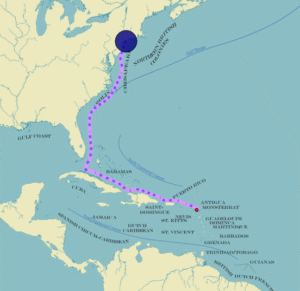
Return voyage of John and Anne, 1717, Slavevoyages.org

Round Trip Voyages of Mayors’ Ships with Enslaved People from the Port of New York 1715-1751

The following is the inward and outward voyages of mayors’ ships that carried the enslaved to the port of New York, as found in port records and newspapers. It reveals that mayors and other merchants had ships with dedicated routes, mainly to ports in the Caribbean. The ships departed New York City with provisions and supplies, including lumber that the tropical colonies depended upon. The ships returned with a few enslaved people, agricultural products such as coconuts and lime juice, and sugar, the product of slave labor. Ship captains often received bills of exchange or credit for the transactions. The investors were usually a few New York merchants and sometimes the captain was also an investor.

These vessels were different than slave ships, which were expressly built to cross the Atlantic with hundreds of captives purchased in Africa, but still transported enslaved people to make a profit. The most common ship for the Caribbean trade was the sloop, which had one mast, a single deck, and a few crew members and captain on board. Most voyages from New York went to Barbados and then to their destination. Return trips went along the north edge of Cuba and then tracked the North American coastline to New York or took the Windward Passage, between Cuba and the island of Hispaniola. In 1717, the John and Anne left Nevis and then proceeded north of Puerto Rico, Hispaniola, and Cuba before turning north to proceed to New York.[1]
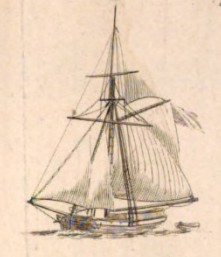
Sloop, Dictionnaire de marine, 1831, NYPL

Sloop John and Anne: owned by Mayor Abraham De Peyster and two sons of other mayors: Judge Samuel Bayard and Gerrardus Beekman, and Samuel Bayard, Rip Van Dam, and John Read for 1718-1719

1717

  • March 5: arrived from Madeira with four casks wine and (?).[2]
  • August 5: arrived from Nevis with unknown number of the enslaved, sugar, molasses, and coconuts.[3]
  • August 19: John and Anne Captain Vivian cleared from New York to Boston.[4]
  • November 18: Captain Vivian arrived in New York from Bermuda.[5]

1718

  • May 14: arrived from Curaçao with two enslaved persons, chocolate, coconuts, skins, and other cargo. [6]
  • August 26: arrived in New York from Barbados with eleven enslaved people and rum.[7]
  • December 2: departed for St. Thomas with staves and (?) cargo.[8]

1719:

  • April 20: arrived from St. Thomas with 287 casks sugar and two bags cotton wool.[9]


Pink Type Vessel New York Pink: Mayor Abraham De Peyster, Andrew Freneau, Thomas Bauyeaux, and Garrett Vanhorne

1717

  • February 5: departed for London with 10 bags and 96 casks of sugar, 2 bags cotton wool, indigo, and (?).[10]

1718

  • September 15: departed for Great Britain and Holland with (?) cargo.[11]

1720

  • July 11: departed with (?) cargo for Cortes (?).[12]
  • November 18: departed to Maryland with one enslaved person, 13 casks rum, nine casks sugar, 19 casks molasses, lime juice, chocolate, and provisions.[13]


Sloop Sarah: Mayor Robert Lurting, Thomas Lynch, Rip Van Dam, and John Bassett

1718

  • July 26: arrived from Jamaica with eight enslaved persons and European goods.[14]
  • September 1: departed for Madeira with two enslaved persons, provisions, lumber, and beeswax.[15]


Sloop Pinetree: Mayor Robert Lurting, Lancaster Lymes, and Michael Kerney

1718

  • August 13: arrived from Barbados with one enslaved person and ballast.[16]
  • November 28: departed to Madeira with seven enslaved people, 8 ¼ tons provisions, beeswax, staves, and European goods.[17]

1719

  • April 20: arrived from Antigua with (?) cargo.[18]
  • May 5: departed New York for South Carolina with ten casks of beer.[19]


Sloop George: Mayor Robert Lurting

1719

  • May 6: departed for South Carolina with provisions and beer.[20]
  • October 22: departed for Jamaica with provisions, lumber, European goods, and (?).[21]

1720

  • April 6: arrived from South Carolina with rice and (?).[22]

1721

  • May 9: arrived from Jamaica with two enslaved people, sugar, two bags cotton wool, pewter, copper, and snuff.[23]


Sloop Seaflower: Mayor Robert Lurting, Thomas Lurting (likely his son), Rip Van Dam, and William Donbar

1721

  • July 20: departed for Antigua with provisions and lumber.[24]
  • October 25: arrived from Antigua with rum and (?) cargo.[25]

1722:

  • May 19: departed to Antigua with provisions and lumber.[26]
  • October 4: arrived from Antigua with one enslaved person, rum, sugar, molasses, cotton wool, and snuff.[27]


Sloop Mary: Mayor David Provoost and Abraham Van Horne (his brother-in-law)

1718

  • August 29: departed for Barbados with provisions and lumber.[28]
  • November 6: arrived from Barbados with ballast.[29]
  • December 12: departed for Barbados with 47 ¼ tons provisions and horses.[30]

1719

  • March 13: arrived from Barbados with ballast.[31]
  • June 18: arrived from Barbados with six enslaved people and rum.[32]


Brigantine Expedition: Mayor David Provoost, Col. William Provost (his brother) for inbound slave voyages, and Abraham Van Horne (their brother-in law)

1719

  • April 19: departed for Barbados with provisions, lumber, and twelve horses.[33]
  • December 10: departed for Barbados with provisions and lumber.[34]

1720

  • April 4: arrived from Barbados with five enslaved people, 138 casks rum, lime juice, four casks iron, and European goods.[35]
  • May 10: departed for Barbados with provisions, staves, and (?).[36]
  • August 8: arrived in NY from Barbados with five enslaved people, rum, sugar, molasses, iron, and European goods.[37]
  • December 31: departed for Barbados with provisions and lumber.[38]

1721

  • April 18: arrived in New York from Barbados with five enslaved people, European goods, rum, sugar, soap, and iron.[39]
  • May 10: departed for Barbados with provisions and lumber.[40]
  • July 31: arrived in New York from Barbados with fifteen enslaved people and rum.[41]
  • August 11: departed for Barbados with provisions, goods, and (?).[42]
  • October 21: arrived in New York from Barbados with nine enslaved persons and no cargo listed.
  • December 15: departed for Barbados with provisions and lumber.[43]

1722

  • April 26: arrived from Barbados with rum, sugar, European goods and (?).[44]
  • May 12: departed to Barbados with provisions and lumber.[45]
  • July 17: arrived in New York with ninety-five casks of rum and European goods from Barbados.[46]
  • August 18: departed to Barbados with provisions and lumber.[47]
  • November 12: arrived from Barbados with seventeen casks rum, European goods, and (?).[48]

1723

  • March 9: departed to Suriname with provisions, lumber, and twelve horses.[49]
  • June 22: arrived from Barbados with five enslaved people, sugar, three bags cotton wool, five bags of coconuts, and one horse. This voyage led to a lawsuit between Provoost and Captain Samuel Lawrence over the death of an enslaved girl.[50]

Sloop Anne and Catherine: Mayor Paul Richard, Philip French III (son of mayor), and Matthew Clarkson

1723

  • August 6: arrived from Curaçao with six enslaved persons, sixty casks coconuts, and three casks of old iron.[51]
  • August 31: departed for Curaçao with provisions and grain.[52]
  • November 9: arrived from Curaçao with twenty-five tons of limestone.[53]
  • December 11: departed for Barbados with provisions, twelve kegs of oil, 25 sheep, and European goods.[54]

1724

  • May 21: departed for Curaçao with provisions.[55]
  • August 3: arrived from Curaçao with 52 casks 28 bags of cocoa and five casks of old iron.[56]
  • December 1: arrived from Curaçao with 16 casks salt, 23 casks lime juice, 64 bags cocoa, and one bag cotton wool.[57]

Sloop Dolphin: Mayor Paul Richard, Philip French III (son of mayor), and Matthew Clarkson

1724

  • March 22: arrived from Suriname with rum, old iron, sugar, and (?).[58]
  • July 3: departed for Curaçao with provisions.[59]
  • September 17: arrived from Curaçao with 59 casks 10 bags of cocoa and one cask of old iron.[60]
  • November 4: departed for Barbados with provisions, lumber, and eight horses.[61]

1725

  • June 14: arrived from Curaçao with three enslaved people, lime juice, coconuts, and iron.[62]

Schooner Allida: Mayor Stephen Bayard, Abraham De Peyster, Jr. (son of mayor) Frederick Van Cortlandt, John Brown, and Rip Van Dam

1724

  • August 27: departed for St. Thomas with provisions, lumber, and European goods.[63]
  • November 30: arrived from St. Thomas with one enslaved person,104 casks sugar, 49 bags cotton wool, five casks coconuts, and soap.[64]

Schooner Ranger: Mayor Stephen Bayard, Peter Bayard, Henry Cuyler, and Joseph Royall

1726

  • November 22: departed for Lisbon with provisions, lumber, and (?).[65]

1727

  • May 18: arrived from Antigua with two enslaved people, 76 casks rum, 26 casks brown sugar, molasses, and two pipes Madeira wine.[66]
  • December 4: departed for Barbados with provisions and staves.[67]

Sloop Black Eyed Susan: Mayor Stephen Bayard, his brothers Nicholas and Samuel, Jr., and Rip Van Dam

1727

  • June 3: departed for Curaçao with pitch and provisions.[68]
  • August 8: arrived from Hispaniola with one cask of rum and 11 casks of indigo.[69]
  • August 26: departed for Jamaica with provisions and (?).[70]
  • December 23: departed for Barbados with provisions.[71]

1728

  • May 13: departed for Jamaica with 28 tons of provisions.[72]
  • September 3: arrived from Curaçao with one enslaved person, 32 casks & 22 bags coconuts, two bags cotton wool, fourteen casks pimento, one cask old iron.[73]
  • September 16: departed for Boston with provisions, coconuts, lime juice, European goods, and (?).[74]
  • December 16: departed for Jamaica with 17 ¼ tons provisions.[75]

1729

  • May 8: departed for Jamaica with provisions, coconuts, and (?).[76]
  • July 16: arrived from South Carolina with ballast.[77]
  • August 29: departs for Antigua with staves and 14 sheep.[78]

1730

  • May 15: departed for Jamaica with provisions, staves, and hoops.[79]

Schooner Byam: Mayor Stephen Bayard, Michael Thodey, Nathaniel Gilbert, and Philip Livingston

1730

  • June 19: departed for Antigua with provisions, staves, hoops, and two horses.[80]
  • September 28: lands in NY from Antigua with two enslaved people and rum, sugar, and molasses.[81]
  • November 2: cleared for departure to Antigua.[82]

1731

  • April 21: arrived from Antigua with four enslaved people and three casks rum, at least 29 casks molasses, and sugar.[83]
  • November 18: arrived from Suriname with 32 casks molasses, 44 casks rum, four bags coconuts and coffee berries.[84]
  • November 25?: departed for Jamaica with 22 ¾ tons provisions and (?).[85]

1732

  • April 4: arrived from Hispaniola with molasses and sugar.[86]

Schooner Prince William: Mayor Paul Richard, David and Matthew Clarkson, Robert Livingston, and Moses Levy

1727

  • July 4: departed for Curaçao with staves, provisions, and lumber.[87]
  • September 23: arrived from Curaçao with 40 casks of lime juice and two casks of old iron.[88]

1728

  • March 11: arrived from Curaçao with 146 casks lime juice, 46 casks and two packs of coconuts, and dying wood.[89]
  • April 5: departed for Madeira with flour, grain, and staves.[90]
  • July 31: arrived from Madeira with three casks plus (?) wine.[91]
  • November 20: departed for Jamaica with two enslaved people, 57 tons provisions, three casks linseed oil, staves, European goods.[92]

1729

  • January 20: arrived from Jamaica with one enslaved person, thirteen casks pimento, ten casks lime juice, three casks & one hamp. rum, one cask iron, sugar, and six casks indigo.[93]
  • August 25: arrived from Jamaica from two enslaved people, one cask rum, bottles, two casks old pewter, copper, 150 casks molasses, and two casks sugar.[94]
  • September 23: departed for Jamaica with provisions, Madeira wine, staves, Suriname coffee berries, and (?).[95]
  • December 20: arrived from Jamaica with three casks rum, one cask lime juice, and (?).[96]

1730

  • February 13: departed for Jamaica with provisions, staves, European goods, and (?).[97]

Schooner Francis: owned by Mayor Stephen Bayard, William Smith, Nathaniel Gilbert, and Philip Livingston

1729

  • October 25: departed for Antigua with provisions, staves, and (?).[98]

1730

  • February 5: arrived from Antigua with nine enslaved people, one cask rum, European goods, four casks cotton wool, and 32 casks molasses.[99]
  • March 24: departed for Antigua with provisions, staves, and ten horses.[100]
  • June 26: arrived from Antigua with sixteen enslaved persons, 146 casks rum, sugar, and European goods.[101]
  • July 27: departed for Antigua with 35 tons provisions, staves, and lumber.[102]

1731

  • April 26: arrived from Antigua with six enslaved people, 92 casks rum, five casks apothecary wares, sugar, and molasses.[103]
  • September 15: arrived from Antigua with 24 enslaved people, 34 casks rum, and sugar.[104]
  • November 23: departed for Antigua with 47 ¾ tons provisions, boards, and goods.[105]

1732

  • April 4: arrived from Antigua with sugar and (?).[106]

Brigantine Turtle Dove: Mayor Stephen Bayard, Nathaniel Marston and James Searle

1738:

  • January 29: cleared for departure to Jamaica.[107]
  • June 8: arrived from Jamaica with ten enslaved people, sugar, and molasses.[108] The New-York Weekly Journal reported that the ship was captured by a pirate off Cape Nichola (Hispaniola). There is no mention of enslaved people. The captain and crew sought restitution for their losses.[109]
  • June 26: cleared outward for Jamaca.[110]


Brigantine Antigua Packet: Mayor Stephen Bayard, his brother Nicholas Bayard, Henry Lawrence, Abraham Lynsom, William Turnell and Nathaniel Marston

1739

  • July 24: departed for Antigua with biscuit, grain, oil, staves, and (?).[111]
  • November 15: arrived from Antigua with two enslaved people, rum, and 50 barrels sugar.[112]

1740

  • February 18: departed for Antigua with seven casks refined sugar and (?).[113]
  • June 16: arrived from Antigua at Perth Amboy. Twenty enslaved people disembarked at Perth Amboy and then the ship went to New York.[114]
  • June 18. arrived from Perth Amboy with four enslaved people, 76 bags ginger, and one packet cotton wool in New York.[115]
  • July 23: departed for Antigua with British refined sugar and (?).[116]
  • November 18: arrived from Antigua with two enslaved people, rum, sugar, molasses, and duck [possibly a type of cloth].[117]

1741

  • March 8: departed for Antigua with bricks and furniture.[118]
  • July 31: arrived from Antigua with no enumerated goods.[119]

1742

  • July 26: arrived from Antigua with four enslaved people, 33 casks sugar, six casks rum, and European prize goods.[120]

Sloop Hester: Mayor Paul Richard, Stephen Delancey, Daniel and Matthew Clarkson, and ship captain Matthew Wolfe. Co-owned with Mordecai and David Gomez for 1735-1740 voyages.

1725

  • November 20: departed for Jamaica with two casks oil, provisions, and lumber.[121]

1726

  • June 20: departed for Antigua with oil, provisions, and lumber.[122]

1727

  • May 30: arrived from Martinique with 16 casks rum and 54 casks sugar.[123]

1734

  • August 9: arrived from St. Thomas with cotton wool.[124]

1735

  • May 15: arrived from St. Thomas with one enslaved person, 72 bales cotton, three casks sugar, and salt.[125]
  • August 28: arrived from St. Thomas with two enslaved people, 59 bags cotton wool, fifteen tons fustick, hats, sugar, and other cargo.[126]

1736

  • April 30: arrived from St. Thomas with 24 casks British sugars, two bags of cotton wool, 24 casks of sugar of St. Thomas, and (?).[127]
  • May 31: departed for St. Thomas with ham, butter, soap, linen, and (?).[128]
  • September 11: departed for the Leeward Islands with flour, beer, onions, and (?).[129]

1737

  • May 10: arrived from St. Thomas and Spanish Town, Virgin Islands, with cotton wool, sugar, salt, and (?).[130]
  • June 10: departed for St. Thomas with grain, provisions, boards, and (?).[131]
  • August 29: arrived from St. Thomas with one enslaved person, cotton wool, and salt.[132]

1738

  • March ?6: arrived from St. Thomas with sugar and (?) [page is torn].[133]
  • July 10: arrived from St. Thomas with 35 bags cotton wool and four casks of sugar.[134]

1739

  • January or February (?): departed for the Leeward Islands with provisions, staves, and four horses.[135]
  • March or April (?): arrived from Spanish Town, Virgin Islands, and St. Thomas with sugar, cotton wool, and (?).[136]
  • (?) 28: departed for Leeward Islands with 26 tons provisions, hoops, staves, and four horses.[137]
  • August 31: arrived from St. Thomas with three enslaved people and cotton wool.[138]
  • September 5: departed for St. Thomas with beer, butter, candles, and (?).[139]

1740

  • January(?): departed for St. Thomas with four pipes Madeira wine.[140]
  • May 28: arrived from St. Thomas with 52 bags cotton wool.[141]
  • June 16: departed for the Leeward Islands with no cargo specified.[142]
  • September 1: arrived from St. Thomas and Spanish Town, Virgin Islands, with one slave, fourteen bags cotton wool, and 26 bags British cotton wool.[143]
  • September 3: departed for Newfoundland with no specified cargo.[144]

Brigantine Thomas: Mayor Edward Holland, John Stevens, John Groesbeak, Thomas Bayeaux, and David Minville

1732

  • July 3: departed for Barbados with flour, provisions, and (?).[145]
  • September 23: arrived from Barbados with three enslaved people, rum, and at least eighteen barrels sugar.[146]

Brigantine Union: Mayor John Cruger, Nathaniel Marston Jr., Thomas Marston, Abraham Lansing, and Henry Lawrence

1737

  • May 31: arrived from Antigua with two enslaved people and 20 casks rum.[147]
  • December 20: departed for Antigua with provisions and (?).[148]

1738

  • April 10: arrived from Antigua with 27 casks rum, sugar, and (?).[149]

1739

  • August 6: arrived from Curaçao with planks (?).[150]
  • August (?): departed for Curaçao with 38 ¼ tons provisions and ¼ ton planks.[151]

Brigantine Prince Frederick: Mayor Paul Richard, Moses Levy, Robert Livingston, Daniel Clarkson, and Matthew Clarkson

1726

  • January 28: departed for Barbados with provisions, lumber, and (?).[152]

1727

  • April 11: arrived from Curaçao with five casks indigo, two casks lime juice, and six tons of wood.[153]
  • June 19: departed for London with 2,001 staves, 11 casks lime juice, pitch, logwood, cotton wool, and (?).[154]
  • November 20: arrived from London with silk and (?).[155]
  • December 16: departed for London with lime juice, logwood, animal skins, and (?).[156]

1728

  • May 28: arrived from London with European goods, silk, and (?).[157]

1729

  • May 23: departed for London with snuff, pitch, rice, sugar, provisions, coconuts, and (?).[158]
  • December 2: arrived from London with European goods, silks, and (?).[159]

1730

  • February 25: departed for South Carolina with provisions and one cask of linseed oil.[160]

1731

  • November 15: departed for South Carolina with 53 ¾ tons provisions, 12 casks rum, 5 casks Canary wines, and European goods.[161]

1733

  • September 26: Arrived from Dover with European goods and (?).[162]

1738

  • November 27: cleared for departure to Belfast.[163]

1739

  • June (?): arrived from Bristol with European goods, earthenware, bottles, salt and (?).[164]
  • July 9: departed for Jamaica with biscuit, butter, onions, staves, and hoops.[165]
  • November 2: arrived from Jamaica with four enslaved people and pimento, two casks rum, sugar, ginger, seven and a half tons logwood, and four casks lime juice.[166]
  • November 25: departed for Belfast with flaxseed and staves.[167]

1740

  • August 5: arrived from Bristol with European goods, earthenware, linen, and (?).[168]
  • September 24: departed for Virginia with “His Majesties stores for the American levies, being 100 men and their officers on the transport service.”[169]

1741

  • August 3: arrived from Jamaica with ballast.[170]

Schooner Elisabeth: Mayor Paul Richard and his brother John Richard. Ship Captain Ichabod Louttit (?) was an investor on May 9, 1730.

1728

  • September 17: arrived from Jamaica with two enslaved persons, 62 casks of molasses and one cask of sugar.[171]
  • October 29: departed for Curaçao with provisions, European goods, and (?).[172]

1729

  • March 4: arrived from Curaçao with 124 bags 2 casks coconuts, two casks tobacco, one cask indigo, 27 casks lime juice, and seven casks rum.[173]
  • April 18: departed for London with staves, lime juice, pimento, snuff, fur and skins, indigo, coconuts, and (?).[174]
  • October 3: arrived from London with European goods, silks, and (?).[175]
  • November 18: departed for Suriname with provisions, staves, hoops, four horses, European goods, and (?).[176]

1730

  • April 13: arrived from Suriname with two enslaved people, 36 casks rum, 1 cask sugar, 72 casks molasses, and three casks coffee berries.[177]
  • May 9: departed for Newfoundland with provisions, rum, molasses, sugar, and tobacco.[178]

Sloop Elisabeth: Mayor Paul Richard, Mordecai Gomez, and David Gomez

1738

  • May(?) 1: departed for the Leeward Islands with 8 ¼ tons provisions, staves, lumber, and bricks.[179]
  • September 6: arrived from St. Christophers with three casks rum, sugar, molasses, and fruit (?).[180]
  • December (?): Departed for the Leeward Islands with staves, hoops, shingles, and (?).[181]

1739

  • June 13: arrived from St. Thomas and Spanish Town, Virgin Islands, with five enslaved people, straw ware, furniture, and planks.[182]
  • September 17: arrived from Barbados with rum.[183]
  • December 18: departed for the Leeward Islands with flour, biscuit, eight tons pork hams, beer, butter, and staves.[184]

1740

  • March 9: departed for Jamaica with 117 hides and one cask pimento.[185]
  • May 28: arrived from St. Thomas and the Virgin Islands with one enslaved person, 28 bags British cotton wool, 35 bags pimento, two tons logwood, and 47 bags cotton wool.[186]
  • June 30: departed for Jamaica with 25 casks rice, tar, and pitch.[187]

1741

  • January 31: departed for the Leeward Islands with no enumerated cargo.[188]
  • August 28: arrived from Madeira with 108 pipes, three casks, and (?) of Madeira wine.[189]
  • September 8: departed for the Virgin Islands with one pipe Madeira wine, European goods, 12 casks lime juice, and (?).[190]

1742

  • June 12: arrived from St. Thomas and Spanish Town Virgin Islands with 55 casks sugar, 60 bags cotton wool, and foreign cotton wool.[191]
  • September 30: arrived from St. Thomas, Jamaica, and Spanish Town Virgin Islands with three enslaved people, 33 casks sugar, cotton wool or cotton, and molasses.[192]

1743

  • June 3: departed for the Leeward Islands with provisions, eight horses, and (?).[193]

Ship Legunea: John Cruger, Jr., his brother Henry Cruger, Jacob Phoenix, and Henry Cuyler

1739

  • August 6: departed for Curaçao with biscuit, flour, butter, boards, and fish.[194]
  • December 3: arrived from Curaçao with lime juice, salt, five casks indigo, 21 casks coconuts, and 12 ½ tons dye wood.[195]
  • December 20: departed for Jamaica with flour, biscuit, beer, butter, pork, candles, and staves.[196]

1740

  • June 9: arrived from Jamaica and Curaçao with ten enslaved people, ten casks coconuts, one cask coffee, one cask pimiento, one bag snuff, one cask lime juice, one box indigo, and one box silk.[197]
  • July 5: departed for London with pimento, Madeira wine, ginger, rum, three casks coconuts, and (?).[198]
  • November 18: arrived from London with European goods, silk, lead, and (?).[199]
  • December 18: departed for Jamaica with no listed cargo.[200]

1742

  • May 10: arrived from (?) Islands with (?).[201]

1743

  • April 23: arrived from Surinam with three casks sugar and (?).[202]

Sloop Mary: Mayor John Cruger, Jr. and his brother Henry Cruger

1743

  • April 20: arrived from St. Kitts with two enslaved people, five casks sugar, 40 casks rum, and molasses.[203]
  • May 12: departed for the West Indies with (?).[204]

Sloop Virgin: Mayor John Cruger, Jr., his brother Henry Cruger, and John Watts

1748

  • April 18: departed for Philadelphia with European goods and (?).[205]
  • August 20: arrived from Lisbon with salt and (?).[206]
  • September 23: departed for Virginia with salt, sugar, molasses and (?).[207]

1751

  • May 30: arrived at Perth Amboy from St. Kitts with 34 enslaved people and rum.[208]


Next: Mayoral Slaveship Investments

_________________________________________________________________________________________________________________

[1] Gotham, Kindle edition, p.120-121; Slavevoyages.org, Voyage #107291

[2] British Archives, Colonial Office (CO) 5/1222_03, p.97, digital p.1

[3] Voyage #107291

[4] The Boston News-Letter, Aug 26, 1717

[5] The Boston News-Letter, Nov 25, 1717

[6] #107333

[7] #107357

[8] CO 5_1222_004, p.184 digital p.15; The Boston News-Letter, Dec 15, 1718

[9] CO_5_1222_005, p.204, digital p.13; The Boston News-Letter, Apr 27, 1719

[10] CO 5/1222_03, p.100, digital p.4

[11] CO 5/1222_04 p.180, digital p.11

[12] CO_5_1222_005, p.226, digital p.35

[13] #107401

[14] #107347

[15] #107347

[16] #107352

[17] #107352

[18] CO_5_1222_005, p.204, digital p.13

[19] CO_5_1222_005, p.199, digital p.8

[20] CO_5_1222_005, p.200, digital p.9

[21] CO_5_1222_005, p.210, digital p.19

[22] CO_5_1222_005, p.204, digital p.13

[23] #107414

[24] CO_5_1222_006, p.272, digital p.24

[25] CO-5_1222_006, p.263, digital p.15

[26] CO 5_1223_1, p.6, digital p.8; The Boston Gazette, May 28, 1722

[27] #107457

[28] CO 5/1222_04 p.179, digital p.10

[29] CO 5/1222_04 p.190, digital p.21

[30] CO 5/1222_04 p.185, digital p.16

[31] CO_5_1222_005, p.196, digital p.5

[32] #107376

[33] CO_5_1222_005, p.198, digital p.7

[34] CO_5_1222_005, p.212, digital p.21

[35] #107383

[36] CO_5_1222_005, p.232, digital p.41; The Boston Gazette, May 09, 1720

[37] #107398

[38] CO_5_1222_006, p.251, digital p.3; The Boston Gazette, Jan 30, 1721

[39] #107410

[40] CO_5_1222_05, p.268, digital p.20; The Boston Gazette, May 08, 1721

[41] #107436

[42] CO_5_1222_006, p.273, digital p.25

[43] Above voyage #107440; this voyage CO_5_1222_006, p.277, digital p.29

[44] CO 5_1223_1, p.1

[45] CO 5_1223_1, p.6, digital p.8

[46] CO 5_1223_1, p.9, digital p.12; The Boston Gazette, July 30, 1722

[47] CO 5_1223_1, p.14, digital p.18

[48] CO 5_1223_1, p.19, digital p.24

[49] CO 5_1223_1, p.29, digital p.37

[50] #107464

[51] #107467

[52] CO 5_1223_002, p.41, digital p.14

[53] CO 5_1223_002, p.51, digital p.28

[54] CO 5_1223_002, p.55, digital p.33

[55] CO 5_1223_002, p.62, digital p.6

[56] CO 5_1223_002, p.66, digital p.11

[57] CO 5_1223_003, p.77, digital p.25

[58] CO 5_1223_003, p.74, digital p.21

[59] CO 5_1223_003, p.68, digital p.13

[60] CO 5_1223_003, p.69, digital p.15

[61] CO 5_1223_003, p.83, digital p.33

[62] #107511

[63] CO 5 1223_003, p.71, digital p.17

[64] #107501

[65] CO 5 1224_001, p.46, digital p.48

[66] #107573

[67] CO 5 1224_001, p.87, digital p.89

[68] CO 5_1224 Part 1, p.65, digital p.67

[69] CO 5_1224 Part 1, p.74, digital p.76

[70] CO 5_1224 Part 1, p.70, digital p.72

[71] CO 5_1224 Part 1, p.89, digital p.91

[72] CO 5_1224 Part 1, p.108, digital p.110

[73] #107614

[74] CO 5_1224 Part 1, p.118, digital p.120

[75] CO 5_1224 Part 2, p.138, digital p.18

[76] CO 5_1224 Part 2, p.157, digital p.37

[77] CO 5_1224 Part 2, p.163, digital p.43

[78] CO 5_1224 Part 2, p.173, digital p.53

[79] CO 5_1224 Part 2, p.204, digital p.84

[80] CO 5_1224 Part 2, p.205, digital p.85

[81] #107711

[82] New-York Gazette, Nov 02, 1730

[83] #107716

[84] CO 5_1225 Part 1_001, p.13, digital p.16

[85] CO 5_1225 Part 1_001, p.22, digital p.27

[86] CO 5_1225 Part 1_001, p.32, digital p.38

[87] CO 5_1224 Part 1, p.68, digital p.70

[88] CO 5_1224 Part 1, p.76, digital p.78

[89] CO 5_1224 Part 1, p.91, digital p.93

[90] CO 5_1224 Part 1, p.106, digital p.108

[91] CO 5_1224 Part 2, p.123, digital p.3

[92] #107626

[93] #107627

[94] #107661

[95] CO 5_1224 Part 2, p.176, digital p.56

[96] CO 5_1224 Part 2, p.190, digital p.70

[97] CO 5_1224 Part 2, p.192, digital p.72

[98] CO 5_1224 Part 2, p.173, digital p.58

[99] #107675

[100] CO 5_1224 Part 2, p.195, digital p.75

[101] #107693

[102] CO 5_1224 Part 2, p.216, digital p.96

[103] #107717

[104] #107736

[105] CO 5_1225 Part 1_0001, p.22, digital p.27

[106] CO 5_1225 Part 1_0001, p.32, digital p.38

[107] The New-York Weekly Journal, Jan 29, 1738

[108] #107865

[109] New-York Weekly Journal, June 8, 1738

[110] New-York Weekly Journal, June 26, 1738

[111] CO 5 1226_001, p.61, digital p.67

[112] #107900

[113] CO 5 1226_001, p.143, digital p.148

[114] #107151

[115] #107151

[116] CO 5 1226_001, p.116, digital p.121

[117] #107921

[118] CO 5 1226_001, p.210, digital p.192

[119] CO 5 1226_001, p.170, digital p.175

[120] #107946

[121] CO 5_1224 Part 1, p.7, digital p.9

[122] CO 5_1224 Part 1, p.27, digital p.29

[123] CO 5_1224 Part 1, p.60, digital p.62

[124] CO 5_1225 Part 2_001, p.136, digital p.11

[125] #107820

[126] #107828

[127] CO 5_1225 Part 2_001, p.175, digital p.50

[128] CO 5_1225 Part 2_001, p.183, digital p.58

[129] CO 5_1225 Part 2_001, p.187, digital p.62

[130] CO 5_1225 Part 2_001, p.198, digital p.73

[131] CO 5_1225 Part 2_001, p.220, digital p.95

[132] #107851

[133] CO 5 1226_001, p.1, digital p.4

[134] CO 5 1226_001, p.7, digital p.10

[135] CO 5 1226_001, p.36, digital p.40

[136] CO 5 1226_001, p.41, digital p.46

[137] CO 5 1226_001, p.48, digital p.53

[138] #107894

[139] CO 5 1226_001, p.64, digital p.70

[140] CO 5 1226_001, p.86, digital p.92

[141] CO 5 1226_001, p.94, digital p.99

[142] CO 5 1226_001, p.102, digital p.107

[143] #107916

[144] CO 5 1226_001, p.119, digital p.124

[145] CO 5_1225 Part 1_0001, p.52, digital p.58

[146] #107763

[147] #107841

[148] CO 5_1225 Part 2_0001, p.231, digital p.106

[149] CO 5 1226_001, p.2, digital p.5

[150] CO 5_1226_001, p.55, digital p.61

[151] CO 5 1226_001, p.47, digital p.52

[152] CO 5_1224 Part 1, p.54, digital p.56

[153] CO 5_1224 Part 1, p.57, digital p.59

[154] CO 5_1224 Part 1, p.66, digital p.68

[155] CO 5_1224 Part 1, p.80, digital p.82

[156] CO 5_1224 Part 1, p.89, digital p.91

[157] CO 5_1224 Part 1, p.102, digital p.104

[158] CO 5_1224 Part 2, p.158, digital p.38

[159] CO 5_1224 Part 2, p.188, digital p.68

[160] CO 5_1224 Part 2, p.192, digital p.72

[161] CO 5_1225 Part 1_001, p.22, digital p.27

[162] CO 5_1225 Part 1_001, p.92, digital p.98

[163] The New-York Gazette, Nov 27, 1738

[164] CO 5_1226_001, p.44, digital p.49

[165] CO 5_1226_001, p.60, digital p.66

[166] #107899

[167] CO 5_1226_001, p.76, digital p.82

[168] CO 5_1226_001, p.107, digital p.112

[169] CO 5_1226_001, p.121, digital p.126

[170] CO 5_1226_001, p.171, digital p.176

[171] #107617

[172] CO 5_1224 Part 2, p.135, digital p.15

[173] CO 5_1224 Part 2, p.140, digital p.20

[174] CO 5_1224 Part 2, p.156, digital p.36

[175] CO 5_1224 Part 2, p.184, digital p.64

[176] CO 5_1224 Part 2, p.179, digital p.59

[177] #107681

[178] CO 5_1224 Part 2, p.203, digital p.83

[179] CO 5 1226_001, p.23, digital p.27

[180] CO 5 1226_001, p.10, digital p.13

[181] CO 5 1226_001, p.34, digital p.38

[182] #107889

[183] CO 5 1226_001, p.57, digital p.63

[184] CO 5 1226_001, p.77, digital p.83

[185] CO 5 1226_001, p.137, digital p.142

[186] #107909

[187] CO 5 1226_001, p.114, digital p.119

[188] CO 5 1226_001, p.268, digital p.190

[189] CO 5 1226_001, p.172, digital p.177

[190] CO 5 1226_001, p.181, digital p.186

[191] CO 5 1226_001, p.216, digital p.198

[192] #107947

[193] CO 5 1226_001, p.269, digital p.222

[194] CO 5 1226_001, p.62, digital p.68

[195] CO 5 1226_001, p.71, digital p.77

[196] CO 5 1226_001, p.78, digital p.84

[197] #107910

[198] CO 5 1226_001, p.114, digital p.119

[199] CO 5 1226_001, p.126, digital p.131

[200] CO 5 1226_001, p.134, digital p.139

[201] CO 5 1226_001, p.214, digital p.196

[202] CO 5 1226_001, p.235, digital p.217

[203] #107949

[204] CO 5 1226_001, p.268, digital p.221

[205] CO 5 1226_001, p.283, digital p.236

[206] CO 5 1226_001, p.296, digital p.249

[207] CO 5 1226_001, p.311, digital p.264

[208] #107157

Copyright 2025 Paul Hortenstine
Mayoral Slave Trade

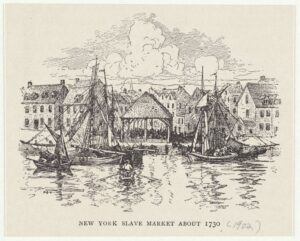
New York slave market about 1730, NYPL Digital Collections, 1902

The mayors in the middle of the 18th century were, like many merchants in New York City, investors in ships that traded with plantations and merchants in the Caribbean, especially in sugar. Sugar was farmed and processed on plantations in Antigua, Barbados, Jamaica, and other Caribbean colonies that used enslaved labor in brutal conditions.[1] Food, including flour, pork, and beef, and shipbuilding supplies went to the Caribbean colonies, and enslaved people, sugar, rum, and tropical fruits returned to New York.

Twelve mayors are documented investors in ships that carried enslaved persons, including every mayor in office from 1726 to 1766. The mayors and their co-investors, usually two or three other New York merchants and sometimes family members, owned a portion of a ship.[2] Most of the mayors invested in ships that sailed to ports in the Caribbean with agricultural products and returned with enslaved people. Overall, mayors were investors in at least thirty-four ships that transported enslaved persons on fifty-eight voyages. Two mayors owned land in Jamaica, Twenty-Ninth Mayor William Peartree and Thirty-Fifth Mayor Robert Walters, which were likely plantations.[3]

In New York City up to the 1740’s, between a quarter to one-third of the city’s merchants were involved in the slave trade.[4] Merchants depended on lawyers, insurers, clerks, brokers, and lenders to document their property and the profits, while at least four slave markets operated during this time.[5]

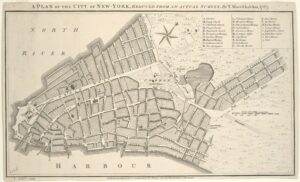
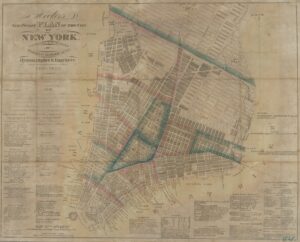
While the city was expanding, it was densely settled and still confined mainly to lower Manhattan. A 1755 map shows that dwellings extended to today’s Chambers Street, with some development further north up the East River and farms on the rest of the island.[6] The Common, a field for public events and executions was at the north end of the city, and the African burial ground above that, where enslaved people and free Blacks were buried very similar to African customs.[7] However, even Black funerals, like all public gatherings, were closely controlled. In November 1731, the council ordered that funerals had to occur before sunset and only twelve people could attend.[8]

A plan of the city of New-York, reduced from actual survey, 1763 based on 1755 original, Francis Maerschalck, NYPL Digital Collections

In 1756, New York City had 13,046 people, of whom 2,278 were Black, about seventeen and a half percent of the population, almost all enslaved.[9] More European colonists arrived, including Lutherans from Swabia, Scots-Irish, Welsh, and some Irish enrolled in the British Army after the famine of 1740–41.[10] Many of the men were laborers who worked at the docks, as sailors, as indentured servants, and as apprentices, often alongside the enslaved.[11]

Visitors remarked on the vast numbers of ships in the harbor and a city “elegantly built of brick.” A naval officer saw a city that employed “some hundreds of vessels in its foreign trade and fisheries, but this is a city that very few in England can rival.” [12] One visitor in 1750 found that the streets were planted with trees and “sometimes have considerable bendings, however, they are very spacious and well-built, and most of them are paved” and found that “most of the houses are built of brick, and are generally strong and neat, and several stories high.”[13] There were also contemporary estimates of 242 taverns in New York, about one-hundred of them unlicensed.[14]

The mayors’ ships usually arrived with a few enslaved people and agricultural goods from the Caribbean. Thirty-Eighth Mayor Paul Richard invested in seven ships that carried enslaved people and three of them sailed during his term in office. One of them, the sloop Elisabeth, arrived in New York from St. Thomas and Spanish Town in the Virgin Islands on June 13, 1739 with five enslaved people. Its cargo included straw ware, furniture, and planks.[15]

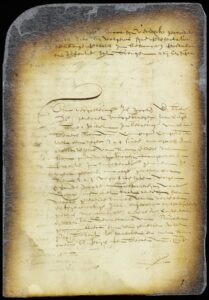
In 1723, Twenty-Fifth Mayor David Provoost sued the captain of the Expedition, which he was an investor in, for fifty pounds in damages, including the death of an enslaved girl. The enslaved girl and goods were to be delivered to his daughter Belia, and Provoost charged that Captain Samuel Lawrence allowed Jenny, the enslaved girl, to drown. She was from Barbados along with Joa, a boy. Lawrence was found not guilty, and Provoost had to pay his court costs. The cargo of the ship included “seventy one hogsheads two Tieres & Eight Barrel of Rum three bail of Cotton, five – Large bag of Cocoa one Negro girl slave named Jenny & a Negro boy Slave named Joa…”[16]

Original Port Records for the Expedition

In the mid-1700’s, enslaved people were sold on board ships, at brokers’ offices, on the wharf, or at weekly auctions at the Merchant’s Coffee House, the Fly Market, Proctor’s Vendue House, and the Meal Market on the Wall Street slip.[17] Children as young as eight were routinely sold and enslaved families were rarely sold as a unit.[18] Sale prices were highest for men, followed by women, boys, and girls.[19] In 1721, Robert Lurting bought Kate, an enslaved woman, for twenty-seven pounds.[20]

The mayors made fortunes from trade in goods, including furs, sugar, and wheat, and slavery was a portion of that, but difficult to estimate.[21] Some slave traders had insurance policies on their ships, especially from Africa to the Caribbean, but it is unclear if the mayors did.[22] Profits on the legal slave trade from Africa to the Caribbean could be up to one hundred percent on a single voyage and could be about seven to thirty-two percent in a year.[23] For the legal slave trade between New York and the Caribbean, returns could be up to fifty percent but there were many risks to any ship voyage.[24] Shorter trips were a safer investment but there were threats from piracy and weather that could lead to the loss of those on board and the ship. Additionally, the market for enslaved people fluctuated according to supply and demand.[25]

Altogether, documented slave voyages transported over 12,875 enslaved people into New York City.[26] However, the number of enslaved persons brought into the city is much higher due to large numbers of smugglers who often unloaded ships on Long Island or in New Jersey to avoid import duties.[27] The slave trade was outlawed in 1788 by the state but there were exceptions and later revisions that weakened the law. In 1808, the slave trade was illegal in the United States but until the Civil War the illegal slave trade thrived in the port of New York and free Blacks and fugitive enslaved people were subject to kidnapping or seizure.[28]

Mayoral Slave Ship Investors and Terms

Cornelius Steenwyk, 1668-1670 and 1683-1684

Stephanus Van Cortlandt, 1677-1678 and 1687-1689

Nicholas Bayard, 1685-1687

Abraham De Peyster, 1691-1694

David Provoost, 1699-1700

Caleb Heathcote, 1711-1714

Robert Lurting, 1726-1735

Paul Richard, 1735-1739

John Cruger [Sr.], 1739-1744

Stephen Bayard, 1744-1747

Edward Holland, 1747-1757

John Cruger Jr., 1757-1766


Next: Turmoil and Trials in 1741

_________________________________________________________________________________________________________________________

[1] New York Burning, p.52

[2] Donnan, p.416-512, link, lists owners of slave ships sailing from New York

[3]Peartree: NYG&B Record, January 1879: Volume 10, issue 1, p.32, Lists of Inhabitants of Colonial New York, Roseanne Conway, p. 31; New York, U.S., Wills and Probate Records, 1659-1999, Wills, Vol 008, 1710-1716, Will Date 20 Jan 1713, Probate Date 29 Apr 1714, Ancestry.com; Valentine’s Manual of Old New York, ed. Henry Collins Brown, 1925, p.187. Walters: Abstracts of wills on file in the Surrogate’s Office, City of New York, 1665-1801. V. 3, Will date June 17, 1719, Page viewer 230, FamilySearch; New York, U.S., Wills and Probate Records, 1659-1999, Wills, Vol 013, 1736-1741, Probate Date 20 Nov 1737, Ancestry.com;

[4] New York Buring, p.353

[5] A history of Negro slavery in New York, Edgar J. McManus, 1966, p.27

[6] Francis Maerschalck map of 1755 (update of 1730 Bradford Map), Library of Congress, link; David Grim’s Map of Prerevolutionary Manhattan, New York Historical Society, link, discussed in New York Burning: Liberty, Slavery, and Conspiracy in Eighteenth-Century Manhattan, Jill Lepore, Kindle edition, p.22;  New Amsterdam History Center, Mapping Early New York online

[7] The New York African Burial Ground, p.3, 88

[8] In the Shadow of Slavery, p.41; MCC, 1675-1776, Vol. IV, p.88-89

[9] The New York African Burial Ground: Unearthing the African Presence in colonial New York, Vol. 3, p.44, report

[10] Black and White Manhattan, Ch.2; New York Burning, p.276

[11] New York Burning, p.275

[12] Colonial New York, p.292.

[13] “Travels into North America: Containing its natural history…,” Pehr Kalm, 1772, p.193-94,  quoted in Colonial New York, p.290.

[14] “Shaping a Conspiracy: Black Testimony in the 1741 New York Plot,” Richard E. Bond, Early American Studies, Vol. 5, No. 1 (Spring 2007), pp.82, https://www.jstor.org/stable/23546545

[15] Intra-American Slave Voyages Database #107889; Donnan p.504

[16] New York City Transcripts of Mayor’s Court 1723-1728, image 324 and Select cases of the Mayor’s court of New York City, 1674-1784, Vol. II, page viewer 375, both in FamilySearch; also in dataset of Michael Douma, “Prices of Enslaved Persons in New York and New Jersey.” Journal of Slavery and Data Preservation 4, no. 5 (2023), p.67-75

[17]  When I Die, I Shall Return to My Own Land, Kindle p.115 and p.240; Black and White in Manhattan, Kindle edition, location 1189

[18] The Slow Death of Slavery, Kindle edition, p.105

[19] The Slow Death of Slavery, Kindle edition, p.100

[20] Douma, Michael. “Prices of Enslaved Persons in New York and New Jersey.” Journal of Slavery and Data Preservation 4, no. 5 (2023): 67-75; taken from Select Cases of the Mayor’s Court of New York City, 1674-1784. Vol. 2. page 369

[21] The Slow Death of Slavery, Introduction

[22] For insurance on the British slave trade: “Insuring the Transatlantic Slave Trade,” Robin Pearson and David Richardson, The Journal of Economic History, Vol. 79, No. 2 (JUNE 2019), pp. 417-446, https://www.jstor.org/stable/26787192

[23] “Revisiting the Profitability of Slavery: Slave Hiring Rates and the Return on Investments in Slaves in the Antebellum US South,” Klas Rönnbäc, Journal of Global Slavery, 23 Feb 2023, link; When I Die, I Shall Return to My Own Land, Kindle, p.75-78, Ch.8

[24] The Last Slave Ships, p.78-81; “New York and the Slave Trade, 1700 to 1774,” pp.393; The New York merchant on the eve of the Revolution, Virginia Harrington, 1964, p90, link

[25] “New York and the Slave Trade, 1700 to 1774,” pp.387; Archival Collection Papers, 1698-1702. Van Cortlandt, Jacobus, 1658-1740? 1698 – 1702, The New York Historical Society, link to reference,

[26] The number comes from Slavevoyages.org in the Trans-Atlantic Database and Intra-American Database. From 1630 to 1766, documented slave ships brought 12,875 slaves to the port of New York on 756 voyages. From 1654 to 1755, trans-Atlantic slave ships brought at least 8,802 slaves on eighty voyages to New York. This includes ships that stopped in New York as their second port of call. From 1630 to 1766, slave ships from the West Indies to New York brought at least 4,073 slaves on 676 voyages. This includes ships that had New York as their second port of call.

[27] A history of Negro slavery in New York, Edgar J. McManus, 1966, p.38-39

[28] In the Shadow of Slavery, p.12-21; Prof. Ned Benton essay on dating the beginning and end of slavery in New York; “Tale of the White Horse” Dennis J. Maika; The Last Slave Ships: New York and the End of the Middle Passage, John Harris, 2020, p.78-81, 93, 136, 170-181, 182-189, 235; Laws that weakened ban on slave trade: April 1801: An act concerning Slaves and Servants, Laws of the state of New-York, Vol. I, p.612-619; March 1807: An act to amend the Act, entitled An Act concerning Slaves and Servants, Vol. V, p.92-93

Copyright 2025 Paul Hortenstine
Mayoral Slaveship Investments

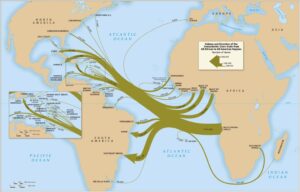
Volume and direction of the trans-Atlantic slave trade from all African to all American regions, Slavevoyages.org

Many of the mayors were from leading families who built immense fortunes from commercial ventures, including the slave trade. Twelve mayors are documented investors in thirty-four ships that carried the enslaved on fifty-eight voyages. The documented number of captives purchased in Africa is 1,193, including fifty who were taken by pirates. Of the 1,143 who were transported to colonies, 960 survived the Middle Passage. At least two hundred and eighty enslaved people were transported between colonies on ships that mayors invested in, mainly from the Caribbean to New York.

In 1627, the Dutch West India Company imported the first enslaved Africans—twenty-two people—to New Amsterdam.[1] By the late 1630s, there were about one hundred enslaved men and women in New Amsterdam, amounting to one-third of the population. Other northern colonies had enslaved people too but there were more in New Amsterdam. The ship Bruynvisch brought the twenty-two enslaved people, who were on a Portuguese ship that was captured by privateers.[2] In the summer of 1655, the Witte Paert (White Horse), which was financed by private investors, arrived in New Amsterdam with three hundred and ninety-one enslaved captives. Four hundred fifty-five captives had been purchased at Loango, in West Central Africa. It was the first slave ship to sail directly to New Amsterdam from Africa.[3] At this time, the company began taking captives from Africa to Curaçao, with some then transported to New Amsterdam.[4] The final slave ship of New Amsterdam, Gideon, also transported captives from Loango.

After the English conquest, New York merchants engaged in the slave trade by taking captives from Africa to other colonies, usually in the Caribbean. The first recorded mayor to invest in the slave trade was Cornelius Steenwyck, who owned the Leonora. In December 1666, it sailed from Textel in the Netherlands to purchase three hundred thirty-eight captives at Ardra, on the coast of the Bight of Benin. Two hundred ninety-one survived and were sold in Curaçao and Martinique.[5] Nicholas Bayard and Steenwyck invested in a slave ship the following year, Leonora and Leeuwinne. It sailed from Textel to Ardra, purchased one hundred forty-seven captives there, and the one hundred twenty-six survivors were sold in Curaçao.[6]

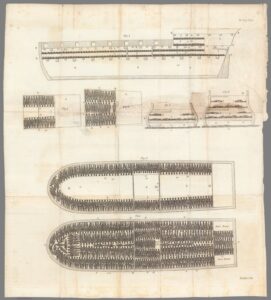
Drawing of the slave ship Brookes, 1808, Thomas Clarkson

In the 1680’s and 1690’s, New York merchants bought enslaved people in Madagascar to avoid the Royal African Company’s monopoly on captives bought from West Africa. It was chartered in 1672 but lost it monopoly on slave trade under the Trade with Africa Act of 1697 that opened Africa to merchants when it went into effect in June 1698.[7] The East India Company had rights to trade within the Indian Ocean and struggled to stop piracy there, especially in the slave trade. Frederick Philipse became the richest man in New York City through piracy: the illegal slave trade with Madagascar. Captives cost three to four pounds from Africa but could be purchased for ten shillings worth of goods on Madagascar.[8]

Mayors Stephanus Van Cortlandt, John Cruger, and Caleb Heathcote invested in separate ships that took enslaved people from Madagascar. In July 1698, Cruger was an investor in and the supercargo—crew member responsible for cargo—of the ship Prophet Daniel that accidentally landed at Matatana, a European settlement on the south coast of Madagascar, where Cruger purchased fifty enslaved people. The ship then sailed to a nearby colony where it was seized by pirates.[9] Cruger returned to Barbados on a different ship, the Vine, and then New York on the ship Blossom. Cruger’s payment to sail to Barbados included two enslaved persons. He arrived home in May of 1700. The fifty enslaved people on the Prophet Daniel were later sold in Barbados.[10] Cruger wrote an account of the voyage.

In 1713, the Treaty of Utrecht awarded Britain the exclusive right (“asiento de negroes”) to supply enslaved people to Spanish colonies in America for thirty years and effective control of the West Coast of Africa from Spain.[11] This led to large numbers of captives taken from Africa to the Caribbean and American colonies, including New York. Port records reveal that 1717 is the year with the highest number of the enslaved imported into New York directly from Africa (266) and the following year 517 enslaved persons total were imported, the most recorded.[12]

Over the next four decades, eight mayors invested in the slave trade: Abraham De Peyster, Robert Lurting, David Provoost, Paul Richard, Stephen Bayard, Edward Holland, John Cruger, and John Cruger, Jr. Their ships almost exclusively followed the same routes to and from the Caribbean. For example, David Provoost invested in the Expedition, which made five round trip voyages to Barbados in 1720 and 1721. The ship departed with provisions and lumber and returned with a total of thirty-nine enslaved persons to New York and had rum and sugar among its cargo.[13]

After the 1741, the importation of enslaved people into New York significantly decreased. From the 1750’s through the 1770’s, ships from New York sailed to Africa to purchase captives and sell them in the Caribbean, with some returning with enslaved persons to sell in New York City.[14] In the final voyage of a documented mayoral investment in the slave trade was in 1761: John Cruger, Jr. owned the Pitt, which sailed from New York and purchased eighty-seven captives in Africa. The seventy-two survivors of the Middle Passage were sold in Kingston, Jamaica the following year.[15]

The end of the slave trade came in 1788 for New York State. However, this did not end sales within the state and the illegal slave trade continued.[16] Until the Civil War, slave ships were allowed to anchor and restock in New York ports. In August 1856, Walt Whitman wrote “it is safe to say that two or three slavers per month have fitted out and sailed from New York for at least the last ten years.”[17]

From 1630 to 1766, documented slave ships brought over 12,875 of the enslaved to the port of New York (or New Amsterdam) on 756 voyages. From 1654 to 1755, trans-Atlantic slave ships brought at least 8,802 captives on eighty voyages to New York. This includes ships that stopped in New York as their second port of call. From 1630 to 1766, ships from the Caribbean to New York brought at least 4,073 enslaved people on 676 voyages.[18]

Mayor Ship Dates of Voyage or in NY Port Ports of Call Enslaved Purchased Cargo Co-Investors Citation
Cornelius Steenwyck Leonora 1666-1667 Textel, Ardra, Curaçao, Martinique 338, 291 survived Jacob Dircksz Wilree Slave Voyages website, #44270
Cornelius Steenwyck and Nicholas Bayard Leonora and Leeuwinne 1668-69 Textel, Ardra, Curaçao 147, 126 survived Balthazar Stuyvesant (Peter’s son and governor of Curaçao in 1643–47) #11781; Bound by Bondage
Cornelius Steenwyck Vergulde Posthoorn 1668-69 Textel, Ardra, Curaçao, Martinique, St. Kitts 548, 471 survived Gerard Hamel, Gillis van Koornbeek, and J B Reusselaer #44281; Bound by Bondage
Stephanus Van Cortlandt Margriet 1690 To Madagascar, Barbados, and Virginia. unknown Outward: rice; Return: sugar and tobacco Robert Livingston Robert Livingston and the Politics of Colonial New York, p.90, n.35; Traders and Gentlefolk, p.39
John Cruger Prophet Daniel 7/15/1698 To Magagascar, lost to pirates 50, seized by pirates Outward: 150 small arms, six barrels of lead, lead, twelve casks of rum, barrels of brandy, lime juice, haberdashery, thirty-three hats, and other cargo John Abeel, Joseph Bueno, and Van Sweeten Pirates, Merchants, Settlers, and Slaves, p.52: UK Public Record Office, CO 5/1042, 98, pp.244
Caleb Heathcote Nassau 7/7/1698 To Madagascar; offloaded at Cape May and Red Hook 23 70 pirates, muslin, opium, calicoes, opium, ivory, 12,000 pieces of eight, 3,000 [Dutch] “lyon dollars,” other cargo Stephen Delancey Pirates, Merchants, Settlers, and Slaves, p.52; “The Madagascar Connection: Parliament and Piracy, 1690-1701;” CO 5/1042, 98, 243
Abraham De Peyster John and Anne 8/5/1717 Nevis unknown Sugar, molasses, coconuts Two sons of other mayors: Judge Samuel Bayard and Gerrardus Beekman #107291; Donnan p.464; CO 5/1222_03, 119
John and Anne 5/14/1718 Curaçao 2 Chocolate, coconuts, skins, other cargo Judge Samuel Bayard, Rip Van Dam, and John Read #107333; p.466; CO 5/1222, 159
John and Anne 8/26/1718 Barbados 11 Rum Judge Samuel Bayard, Rip Van Dam, and John Read #107357;  p.468;  5/1222_04, 174
Abraham De Peyster New York Pink 11/18/1720 To Maryland 1 13 casks rum, nine casks sugar, 19 casks molasses, lime juice, chocolate, and provisions Andrew Freneau, Thomas Bauyeaux, and Garrett Vanhorne #107401;CO 5/1222_005, 242
Robert Lurting Sarah 7/26 & 9/1/1718 Jamaica and to Madeira 8 total, 2 to Madeira European goods; outward: provisions, lumber, beeswax Thomas Lynch, Rip Van Dam, and John Bassett #107347; p.467; CO 5/1222_04, 172, 179
Pinetree 8/13/1718 Barbados 1 Ballast Lancaster Lymes and Michael Kerney #107352;  p.468; CO 5/1222_04, 173
Pinetree 11/28/1718 To Madeira 7 Provisions, beeswax, staves, European goods Lancaster Lymes and Michael Kerney #107352; CO 5/1222_04, 183
George 5/9/1721  Jamaica 2 Sugar, two bags cotton wool, pewter, copper, snuff None #107414; p.472; CO 5/1222_06, 255
Seaflower 10/4/1722 Antigua 1 Rum, sugar, molasses, cotton wool, snuff Thomas Lurting (likely his son), Rip Van Dam, and William Donbar #107457; p.474; CO 5/1223_01, 17
David Provoost Mary 6/18/1719 Barbados 6 Rum Abraham Van Horne (his brother-in-law) #107376; p.469; CO 5/1222_05, 208
David Provoost Expedition 4/4/1720 Barbados 5 138 casks rum, lime juice, four casks iron, European goods Col. William Provost (his brother) and Abraham Van Horne (their brother-in law) #107383; p.470; CO 5/1222_05, 221
Expedition 8/8/1720 Barbados 5 Rum, sugar, molasses, iron, European goods Col. William Provost (his brother) and Abraham Van Horne (their brother-in law) #107398; p.471; CO 5/1222_05, 228
Expedition 4/18/1721 Barbados 5 European goods, rum, sugar, soap, iron Col. William Provost (his brother) and Abraham Van Horne (their brother-in law) #107410; p.472; CO 5/1222_06, 254
Expedition 7/31/1721 Barbados 15 Rum Col. William Provost (his brother) and Abraham Van Horne (their brother-in law) #107436; CO 5/1222_06, 259
Expedition 10/21/1721 Barbados 9 None listed Col. William Provost (his brother) and Abraham Van Horne (their brother-in law) #107440;  p.473; CO 5/1222_06, 262
Expedition 6/22/1723 Barbados 5 Sugar, three bags cotton wool, five bags of coconuts, one horse Col. William Provost (his brother) and Abraham Van Horne (their brother-in law) #107464;  p.474; CO 5/1223_02, 33
Paul Richard Anne and Catherine 8/6/1723 Curaçao 6 60 casks coconuts, three casks of old iron Philip French III (son of mayor), and Matthew Clarkson #107467;  p.475; CO 5/1223_02, 35
Paul Richard Dolphin 6/14/1725 Curaçao 3 Lime juice, coconuts, iron Philip French III (son of mayor), and Matthew Clarkson #107511;  p.478; CO 5/1223, 89
Stephen Bayard Allida 11/30/1724 St. Thomas 1 104 casks sugar, 49 bags cotton wool, five casks coconuts, soap Abraham De Peyster, Jr. (son of mayor), Frederick Van Cortlandt (son of mayor Jacobus), John Brown, and Rip Van Dam #107501; p.477; CO 5/1223_003, 77
Ranger 5/18/1727 Antigua 2 76 casks rum, 26 casks brown sugar, molasses, two pipes Madeira wine Peter Bayard, Henry Cuyler, and Joseph Royall #107573; p.482; CO 5/1224 Part 1, 60
Black Eyed Susan 9/3/1728 Curaçao 1 32 casks & 22 bags coconuts, two bags cotton wool, fourteen casks pimento, one cask old iron His brothers Nicholas and Samuel, Jr. Bayard, and Rip Van Dam #107614; p.484; Jordaan, Han,”The Curaçao Slave Market: From Asiento Trade to Free Trade;” CO 5/1224 Part 2, 125
Byam 9/28/1730 Antigua 2 Rum, sugar, molasses Michael Thodey, Nathaniel Gilbert, and Philip Livingston #107711; p.491; CO 5/1224, 226
Byam 4/21/1731 Antigua 4 Three casks rum, at least 29 casks molasses, sugar Michael Thodey, Nathaniel Gilbert, and Philip Livingston #107716; p.491; CO 5/1225_001, 2
Paul Richard Prince William 11/20/1728 To Jamaica 2 57 tons provisions, three casks linseed oil, staves, European goods Moses Levy, Robert Livingston, Daniel Clarkson, and Matthew Clarkson #107626, p.485; CO 5/1224 Part 2, 135
Prince William 1/20/1729 Jamaica 1 Thirteen casks pimento, ten casks lime juice, three casks & one hamp. rum, one cask iron, sugar, six casks indigo Moses Levy, Robert Livingston, Daniel Clarkson, and Matthew Clarkson #107627; CO 5/1224, Part 2,, 139
Prince William 8/25/1729 Jamaica 2 One cask rum, bottles, two casks old pewter, copper, 150 casks molasses, two casks sugar Moses Levy, Robert Livingston, Daniel Clarkson, and Matthew Clarkson #107661; p.487; CO 5/1224 Part 2, 165
Stephen Bayard Francis 2/5/1730 Antigua 9  One cask rum, European goods, four casks cotton wool, 32 casks molasses William Smith, Nathaniel Gilbert, and Philip Livingston #107675; p.488; CO 5/1224 Part 2, 196
Francis 6/26/1730 Antigua 16 Rum, sugar, European goods William Smith, Nathaniel Gilbert, and Philip Livingston #107693; p.490; CO 5/1224, 221
Francis 4/26/1731 Antigua 6 92 casks rum, five casks apothecary wares, sugar, molasses William Smith, Nathaniel Gilbert, and Philip Livingston #107717; p.491; CO 5/1225 Part 1, 2
Francis 9/15/1731 Antigua 24 34 casks rum, sugar William Smith, Nathaniel Gilbert, and Philip Livingston #107736; p.492; CO 5/1225, Part 1, 11
Stephen Bayard Turtle Dove 6/8/1738 Jamaica 10 Sugar, molasses Nathaniel Marston and James Searle #107865; p.502; CO 5/1226, 5
Stephen Bayard Antigua Packet 11/15/1739 Antigua 2 Rum, 50 barrels sugar His brother Nicholas Bayard, Henry Lawrence, Abraham Lynsom, William Turnell and Nathaniel Marston #107900;  p.505; CO 5/1226, 69
Antigua Packet 6/16/1740 (Perth Amboy then NY) Antigua 24: 20 at Perth Amboy, 4 at NY 76 bags ginger, one packet cotton wool His brother Nicholas Bayard, Henry Lawrence, Abraham Lynsom, William Turnell and Nathaniel Marston #107151;  p.505, 512: NJ; CO 5/1226, 95; CO 5/1035_03, 72 (Perth Amboy)
Antigua Packet 11/18/1740 Antigua 2 Rum, sugar, molasses, duck His brother Nicholas Bayard, Henry Lawrence, Abraham Lynsom, William Turnell and Nathaniel Marston #107921;  p.506; CO 5/1226, 126
Antigua Packet 7/26/1742 Antigua 4 33 casks sugar, six casks rum, European prize goods His brother Nicholas Bayard, Henry Lawrence, Abraham Lynsom, William Turnell and Nathaniel Marston #107946; p.508; CO 5/1226, 220
Paul Richard Hestser 5/15/1735 St. Thomas 1 72 bales cotton, three casks sugar, salt Mordecai Gomez and David Gomez #107820;  p.498; CO 5/1225 Part 2, 159
Hester 8/28/1735 St. Thomas 2 59 bags cotton wool, fifteen tons fustick, hats, sugar, and other cargo Mordecai Gomez and David Gomez #107828;  p.499; CO 5/1225 Part 2, 165
Hester 8/29/1737 St. Thomas 1 Cotton wool, salt Mordecai Gomez and David Gomez #107851; p.501; CO 5/1225, Part 2, 206
Hester 8/31/1739 St. Thomas 3 Cotton wool Mordecai Gomez and David Gomez #107894; p.504; CO 5/1226, 56
Hester 9/1/1740 St. Thomas, Spanish Town Virgin Islands 1 Fourteen bags cotton wool, 26 bags British cotton wool Mordecai Gomez and David Gomez #107916; p.506; CO 5/1226, 109
Edward Holland Thomas 9/23/1732 Barbados 3 Rum, at least eighteen barrels sugar John Stevens, John Groesbeak, Thomas Bayeaux, and David Minville #107763; p.494; CO 5/1225_001, 49
John Cruger Union 5/31/1737 Antigua 2 20 casks rum Nathaniel Marston Jr., Thomas Marston, Abraham Lansing, and Henry Lawrence #107841; p.500; CO 5/1225, 200
Paul Richard Prince Frederick 11/2/1739 Jamaica 4 Pimento, two casks rum, sugar, ginger, seven and a half tons logwood, four casks lime juice Moses Levy, Robert Livingston, Daniel Clarkson, and Matthew Clarkson #107899;  p.505; CO 5/1226, 69
Paul Richard Elisabeth (schooner) 9/17/1728 Jamaica 2 Sixty-two casks of molasses and one cask of sugar His brother John Richard #107617; CO 5/1224, Part 2, 127
Elisabeth 9/17/1730 Suriname 2 36 casks rum, 1 cask sugar, 72 casks molasses, three casks coffee berries His brother John Richard #107681; p.489; CO 5/1224, Part 2, 208
Paul Richard Elisabeth (sloop) 6/13/1739 St. Thomas, Spanish Town Virgin Islands 5 Straw ware, furniture, planks Mordecai Gomez and David Gomez #107889;  p.504; CO 5/1226, 44; CO 5/1227, 7: fixes error in 5/1226
Elisabeth 5/28/1740 St. Thomas, Virgin Islands 1 28 bags British cotton wool, 35 bags pimento, two tons logwood, 47 bags cotton wool Mordecai Gomez and David Gomez #107909; p.505; CO 5/1226, 94
Elisabeth 9/30/1742 St. Thomas, Jamaica, Spanish Town Virgin Islands 3 Sugar, cotton wool or cotton, molasses Mordecai Gomez and David Gomez #107947;  p.508; CO 5/1226, 225
John Cruger, Jr. Legunea 6/9/1740 Jamaica and Curaçao 10 Ten casks coconuts, one cask coffee, one cask pimiento, one bag snuff, one cask lime juice, one box indigo, one box silk His brother Henry Cruger, Jacob Phoenix, and Henry Cuyler #107910;  p.505; CO 5/1226, 94
John Cruger, Jr. Mary 4/20/1743 St. Kitts 2 Five casks sugar, 40 casks rum, molasses His brother Henry Cruger #107949; p.508; CO 5/1226, 235
John Cruger, Jr. Virgin 5/30/1751 (Perth Amboy) St. Kitts 34 Rum His brother Henry Cruger and John Watts #107157; p.512; CO 5/1035, part 5, p.165 and part 6, p.197
John Cruger, Jr. Pitt 1761-1762 New York, Africa, Jamaica 87, 72 survived None listed but possible there were other investors #24543; CO 142/16, p.144-5,164-5

Next: Terms of Enslaver Mayors

________________________________________________________________________________________________________________

[1] In the Shadow of Slavery, Kindle edition, p.13

[2] New Netherland Institute, Resources Worksheet and Timeline, link

[3] Slave Voyages Database, voyage #11295; New Netherland Institute voyage 170, link; “Tale of the White Horse” by Dennis J. Maika, link

[4] Black Cargoes: A history of the Atlantic Slave Trade, 1518-1865, p.62-63, link

[5] Slave Voyages Database, Trans-Atlantic, Voyage #44270

[6] Slave Voyages Database, Trans-Atlantic, Voyage #11781

[7] “The East India Company and the Madagascar Slave Trade,” Virginia Bever Platt, The William and Mary Quarterly, Vol. 26, No. 4, Oct. 1969; “New York and the Slave Trade, 1700 to 1774,” James G. Lydon, The William and Mary Quarterly, Vol. 35, No. 2 (Apr., 1978), pp.376; Black Cargoes, p.64

[8] The New York African Burial Ground: Unearthing the African Presence in colonial New York, Vol. III, GSA, report

[9] New York Wills and Administrations, Vol 017, 0019-0021, 1749-1760, Will 31 Jan 1753, Probate 1 Mar 1757, Ancestry.com, digital p.500-01

[10] The Memorial History of the City of New York, p.285-286; Trans-Atlantic Slave Database, Voyage ID #37014

[11] Black Cargoes, p.67-68; “‘To experiment with a parcel of negroes,'” p.47-50

[12] U.S. Census, Colonial Statistics, Slave Trade in New York: 1701 to 1764, digital p.22, link

[13] Slave Ship Voyages Database, Intra-American, Voyages #107383, 107398, 107410, 107436, and 107440

[14] “New York and the Slave Trade, 1700 to 1774,” James G. Lydon, The William and Mary Quarterly, Vol. 35, No. 2 (Apr. 1978), pp. 375-394

[15] Slave Voyages Database, Trans-Atlantic, #24543

[16] “Slavery in New York,” Ira Berlin and Leslie M. Harris editors, 2005, online edition, p.4, 47, 60, 64, 126, and 127; New York Historical Society, Slavery in New York, Fact Sheet

[17] Whitman, Walt. “The Slave Trade.” The Walt Whitman Archive. Gen. ed. Matt Cohen, Ed Folsom, & Kenneth M. Price, link

[18] Data from SlaveVoyages.org, including slave ships with New York as second port of call

Copyright 2025 Paul Hortenstine
Cornelius Steenwyck: 4th & 15th

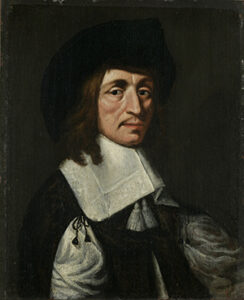
Cornelius Steenwyck, c. 1670, artist unknown, The New York Historical

Cornelius Steenwyck (Steenwijck or Van Steenwyk), Mayor 1668-1670 and 1683-1684: Steenwyck (1626 – 1684) was one of the most prominent merchants of New Amsterdam and one of the first New Netherland slave traders. He also served as burgomaster (equivalent to mayor) of New Amsterdam when the Dutch surrendered to the English in 1664. He invested in three slave ships that took captives from Africa to the Caribbean from 1666 to 1669. Another mayor, Nicholas Bayard, was a co-investor in one of the vessels. The three ships carried 1,033 captives from Africa, with 888 survivors of the Middle Passage who were sold in the Caribbean.

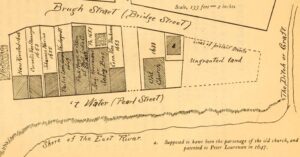
Map of the East River shore in 1655, Steenwyck’s house on Water Street, J.H. Innes, 1902, New Amsterdam and Its People

He participated in shipping wholesale goods and the tobacco trade with Virginia, including ships he purchased with business partners. Steenwyck had a trading partner in Amsterdam, the van Hoornbeeck family, who financed part of his trading. Steenwyck served as burgomaster (office similar to mayor held by two men) in 1664 and helped negotiate the transition to English rule. In 1677, Steenwyck engaged in shipping cargo to England with fellow mayors William Dervall and Gabriel Minvielle on the ship James.[1]

In 1652, he signed a petition explaining that the inhabitants of New Amsterdam were “inclined to a foreign trade, and especially the coast of Africa” to “fetch thence slaves.” On May 3, 1660, the Dutch colonial council granted Steenwyck and eleven other merchants from New Amsterdam leave to trade captives along the west coast of Africa, from Cape Verde to Cape Lopez de Gonsalvo.[2]

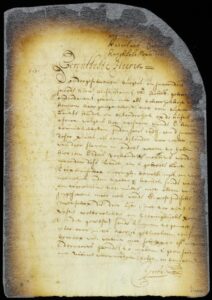
“Petition of Steenwyck and others for leave to trade for slaves along the west coast of Africa,” 1660, NY State Archives

In February of 1662, there is a court case that involves “Mattheu, the negro; of Steenwyck.” Mattheu is involved in a lengthy court case, which included him being beaten to force a confession and being imprisoned for false accusations until “his master applies for his release from confinement.”[3]

Slaveship Investments

Mayor Ship Dates of Voyages  Ports of Call Enslaved Purchased Cargo Co-Investors
Cornelius Steenwyck Leonora 1666-1667 Textel, Ardra, Curaçao, Martinique 338, 291 survived   Jacob Dircksz Wilree
Cornelius Steenwyck and Nicholas Bayard Leonora and Leeuwinne 1668-69 Textel, Ardra, Curaçao 147, 126 survived   Balthazar Stuyvesant
Cornelius Steenwyck Vergulde Posthoorn 1668-69 Textel, Ardra, Curaçao, Martinique, St. Kitts 548, 471 survived   Gerard Hamel, Gillis van Koornbeek, and J B Reusselaer

[1] “Commerce and Community,” p.435

[2] Northeast Slavery Records Index; original document from NY State Archives; Slavery in New York, Merchants & Empire; p.27

[3] The records of New Amsterdam from 1653 to 1674, edited by Berthold Fernow, v.4, p.41-51

Slaveship investments: Slave Voyages website, #44270; 11781 and Bound by Bondage; 44281 and Bound by Bondage

Copyright 2025 Paul Hortenstine
Thomas Willett: 1st & 3rd


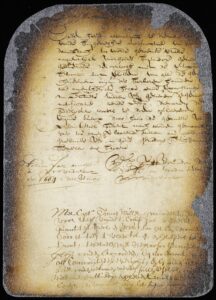
“Order to allow Thomas Willet 3 or 4 slaves with permission to remove them wherever he likes,” September 30, 1660, NY State Archives

Thomas Willett, Mayor 1665-1666 and 1667-1668: Willett (1607 – 1674) was appointed the first mayor on June 12, 1665. Around 1640, Willett began trading with the Dutch in New Amsterdam and acquired property both there and in Fort Orange. He was a merchant, fur trader, and captain of the Plymouth Colony militia. He facilitated trade between Plymouth Colony and New Netherland.[1] By 1650, he had a small fleet of ships and traded with Holland and the Caribbean. He imported “foodstuffs, such as flour, bacon, meat and wheat, and some English merchandise” into New Amsterdam.[2] He also smuggled furs.[3]

Participation in Slavery:

  • On October 28, 1659, Peter Stuyvesant wrote to Matthias Beck that Willett promised payment for trade with Plymouth Colony in “negroes,” beavers, or other goods.[4]
  • On September 30, 1660, there is an order to allow Thomas Willet “3 or 4 negroes, on account of provisions furnished last year, with permission to remove them wherever he likes.”[5] The West India company owed Captain Thomas Willet some eight thousand guilders for provisions he had delivered, yet they could not pay because of “the scarcity of the cassa [cash funds].”[6]
  • On July 20, 1663, Peter Stuyvesant wrote to the vice-director of Curaçao, requesting him to furnish Robert Lord, now at Boston, with a cargo of salt, and to consign the company’s share to William Davids, partner of Thomas Willett of that place; war with the Esopus Indians; “negroes wanted.” [7]
  • On May 29, 1664, Willet is listed as purchasing “1 negro” for 502 florins at a slave auction. This slave was on the ship Musch, owned by the Dutch West India Company, and sent from Matthias Beck in Curaçao.[8]
  • On May 31, 1664, there is a contract between the Council of the Colony of New York and Captain Thomas Willett for “a quantity of beef and pork, payable in negroes.” This appears to be the future mayor. There was also a Thomas Willett who lived in Flushing who is identified as a colonel in records. This does not appear to be a close relative.[9]
  • On September 30, 1664, there is an order from the Dutch Colonial Council to allot Thomas Willet “three or four negroes,” on account of provisions furnished last year, with permission to remove them wherever he likes for sale (outside of New Netherland). These enslaved people are likely from the ship Gideon.[10]
  • On August 25, 1674, eight enslaved people are listed in the contents of his possessions after dying.[11]

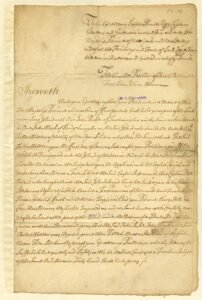
“Contract with Thomas Willett for a quantity of beef and pork, payable in slaves,” May 31, 1664, NY State Archives

According to Plymouth Colony records, Willett had an enslaved man named Jethro:

In reference unto a negro named Jethro, taken prisoner by the Indians, retaken againe by our army, which said negro appertained to the estate of the successors of Cap’s Willett, deceased, our Generall Court haue agreed with M’ John Saffin, adminnestrator of the said estate, mutually, that the said negro doe forthwith betake himselfe to his former seruice, and to remaine a servant vnto the successors of the said Captaine Willett, vntill two yeers be expired from the date heerof, and then to be freed and sett att libertie from his said seruice, prouided, alsoe, that during the said tearme of two yeers, they doe find him meat, drinke, and apparrell fitting for one in his degree and calling, and att the end of his said seruice, that hee goe forth competently prouided for in reference to apparrell.[13]

It is possible that Willett invested in slave ships but the evidence is inconclusive.

  • The New Netherlands Institute database of voyages has two ships Willett invested in but neither is a slave ship. The Nieu Neerlantsche Fortuyn (later Vaerwel) arrived in 1651 and the Hoop “was a Spanish prize captured by French privateer Augustin Beaulieu with his ship Piere, and brought to New Netherland; Outfitted as merchant ship by English merchant Thomas Willet.”[14]
  • On May 31, 1647, Willet served as security for the sale of the ship T’amandare (Amandare or Amandere) to Isaac Allerton of Plymouth Colony and then it sailed to Boston. The ship brought enslaved people from Brazil to New Netherland on May 8, 1646.[15] It is unclear if it sailed with enslaved people to Boston.[16] From the bill of sale: “the Amandare who, with the help of God, shall assist in conveying the ship, which must depart in eight days from date, to Boston…For greater security and the performance of this contract Mr. Isaack Allerton, inhabitant here, and Mr. Tomas Willit, residing at New Plymouth in New England…”[17] In 1650 the Amandare sailed to Brazil and landed in Virginia with thirty enslaved people.[18] The ownership of the ship at that time is unclear.

[1] Bound by Bondage, Kindle, p.46

[2] New Amsterdam Center, Petition of Thomas Willett, link

[3] New Amsterdam Center, Appointment of Isaac Grevenraet to be schout at Esopus, arrests for sedition, confiscation of furs belonging to Thomas Willett, link

[4] Bound by Bondage, Kindle, p.45-46

[5] Bound by Bondage, Kindle, p.209 n.42, NY State Archives, link

[6] New Netherland Connections: Intimate Networks and Atlantic Ties in Seventeenth-Century America, Susanah Shaw Romney, 2014, Kindle, Ch.4

[7] Bound by Bondage: Slavery and the Creation of a Northern Gentry, New York State Archives, Letter from director Stuyvesant to the vice-director of Curaçao

[8] Documents Illustrative of the Slave Trade, Donnan, ed., Vol. III, p.428; “To experiment with a parcel of negros,” p.64

[9] Northeast Slavery Records Index; original document from NY State Archives. New Netherland. Council. Dutch colonial council minutes, 1638-1665. Series A1809. Volume 10

[10] Bound by Bondage, p.6; New York State Archives. New Netherland. Council. Dutch colonial council minutes, 1638-1665. Series A1809. Volume 9.; “To experiment with a parcel of negros,” p.54, 67; Voyages of the slavers… p.225-226

[11] Plymouth Colony Archive Project, Willett

[12] Root & Branch, p.31

[13] Records of the colony of New Plymouth, in New England, Court Orders, November 1, 1676, p.216

[14] New Netherlands database, search by owner or charterer

[15] New Netherlands database, Voyage 108

[16]Bound by Bondage, p.210 n.48;  Intra-American Slave Voyage Database, Voyage # 107713; The iconography of Manhattan Island, 1498-1909…, Volume 4, pp.111, link; “CAPTAIN THOMAS WILLETT First Mayor of New York,” Elizur Yale Smith, New York History, Vol. 21, No. 4 (October 1940), pp. 411-12, https://www.jstor.org/stable/2313473

[17] NY State Archives, link

[18] Intra-American Slave Voyages Database, #107985

Copyright 2025 Paul Hortenstine
Caleb Heathcote: 32nd

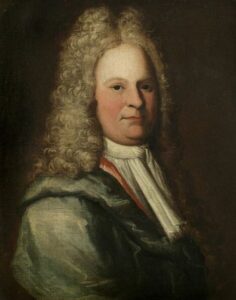
Caleb Heathcote, artist unknown, c. 1710-1715, The New York Historical

Caleb Heathcote, Mayor 1711-1714: Heathcote (1665 – 1721) was a merchant and investor in a ship that transported the enslaved. He engaged in piracy, the fur trade, the West Indies trade, dry goods trade, and imported from the Antilles, Madagascar, Madeira. He invested in mills in New York.[1]

Heathcote invested in many ships in the illegal Madagascar and Indian Ocean trade. He co-owned the Nassau with Stephen Delancey, and the captain was the well-known pirate Giles Shelley.[2] Captives purchased at Madagascar were transported from the Nassau to shore at Cape May and Red Hook to avoid British authorities. In 1694, he also owned part of ship that Captain Richard Glover sailed from New York to Barbados, and then to Madagascar (the cargo of this voyage is unclear).[3]

Governor Fletcher sold a ship to Heathcote in 1693 or 1694, which previously belonged to the pirate William Mason. The ship is the Jacob, which engaged in trade with Madagascar prior to the sale but its voyages under Heathcote’s ownership are uncertain.[4] Another business partner was Captain John Evans, a naval officer who ostensibly tried to stop smuggling and piracy in New York harbor in the boat H.M.S. Richmond. but worked for Governor Fletcher to allow some pirates to use the port.[5]

Heathcote was both the mayor and the presiding judge in the trial of the enslaved accused of violent revolt in 1712. Twenty-one were executed, including being burned alive, hanged, or broken at the wheel, and six committed suicide. Heathcote was repaid for expenses related to their executions: “The mayor and his colleagues appropriated the sum of £36 0s 10d the grim account informs for irons gibbets cartage labor firewood and other materials and expenses for the executing of several Negro slaves for Murders by them committed April last.” Afterwards, New York’s legislature enacted more stringent slave codes.[6]

In 1697, he received a land grant from Governor Fletcher and purchased another property that he developed into Scarsdale Manor. There were slave quarters and at least ten enslaved people along with indentured servants in his manor house. In 1710, It appears Heathcote had an indentured servant from Europe, an orphan named Hans Feliacoons.[7]

Slaveship Investment

Ship Dates of Voyage Ports of Call Enslaved Purchased Cargo Co-Investor
Nassau 7/7/1698 To Madagascar; offloaded at Cape May and Red Hook 23 70 pirates, muslin, opium, calicoes, opium, ivory, 12,000 pieces of eight, 3,000 [Dutch] “lyon dollars,” other cargo Stephen Delancey

[1] Merchants & Empire, p.61,77, 96, 151

[2] Pirates, Merchants, Settlers, and Slaves, p.52, 58

[3] The Attorney General of New York’s memorial about Glover the pirate, May 5, 1699, CO 5/104, pp.222

[4] Documents Relative to the Colonial History of the State of New York, Vol. IV, pp.307; Report upon the general state of the Province of New York, 1698 outlining various affairs relating to piracy, illicit trade and land grants, CO 5/1079 Part 1, 013, pp.39-43, digital p.3-7; Pirates, Merchants, Settlers, and Slaves: Colonial America and the Indo-Atlantic World, Appendix I: Table of Slave Ships in Madagascar 1663-1747

[5] Calendar of state papers, Colonial series…, Vol.16 (1697-1698), pp.183

[6] When I Die I Shall Return to My Own Land, Kindle, p.195

[7] New York, Probate Records, 1629-1971, New York, Wills 1718-1724 Vol. IX, April 9, 1721, image p.179, numbered 233, FamilySearch; Abstracts of wills on file in the Surrogate’s Office, City of New York, 1665-1801. V. 2, p.233, FamilySearch; Recognizing Enslaved Africans of Larchmont Mamaroneck, List of Enslavers and Enslaved; Caleb Heathcote, Gentleman Colonist…, Dixon Ryan Fox, 1926, p.111-115 and quote from p.133; Heathcote’s will in Early wills of Westchester County, New York, from 1664 to 1784; Names of Palatine Children, from Documentary History of the State of New York , E.B. O’ Callaghan, Volume 3 Chap IX, p.334

Slaveship: Pirates, Merchants, Settlers, and Slaves, p.52; “The Madagascar Connection: Parliament and Piracy, 1690-1701;” CO 5/1042, 98, 243

Copyright 2025 Paul Hortenstine
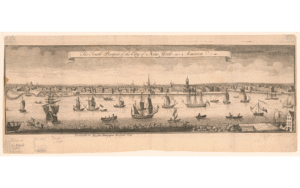
New York Abolition

Hooker’s new pocket plan of the city of New York, 1828, NYPL Digital Collections

From 1800 to 1828, DeWitt Clinton inhabited a peak of political power in New York. George Clinton, his uncle, served as governor and was the fourth vice president. DeWitt served in numerous political offices in New York, including New York City mayor three times, U.S. Senate, governor, and lost a close election for president in 1812. One of his best-known achievements as governor is the Erie Canal. His uncle and father were enslavers. So too was Clinton, who tried to reckon with its legacy.[1]

In 1799, Clinton freed Jack but delayed his release from bondage for six years, and he manumitted another enslaved man in December 1810.[2] In 1805, Clinton applied for reimbursement for the abandoned enslaved girl Jenny, and he received $252.[3]

While mayor in 1810, he carried an appeal to the legislature to pass an act of incorporation for the New York African Society for Mutual Relief. Blacks founded this mutual aid society in 1808, and incorporation granted legal status to the group, which was the first and longest standing mutual aid society. Over one hundred members celebrated the event with a parade in New York City with silk banners and signs. [4]

One year later he addressed the New York Historical Society and declared that “the discovery and settlement of America” had “exterminated millions” of Native Americans and “entailed upon the sable inhabitants of Africa, endless and destructive wars, captivity, slavery and death.”[5] However, in 1819 he said that he would not expect from Blacks “many exhibitions of extraordinary virtues or talents.”[6] And, in 1820 Clinton had a man and a woman in his house in Albany who were very likely free people working as indentured servants.[7]

July 4th and 5th, 1827

While Clinton was governor in 1827, New York’s emancipation law went into effect on July 4th. The Black community had two celebrations. The African Society for Mutual Relief held a meeting in their hall, while other societies held meetings and churches held services.[8] The next day, three to four thousand Blacks paraded with bands and banners, in a display of their claims to freedom.[9]

Black abolitionist William Hamilton, a founder of the African Society, delivered a speech at the African Zion Church on July 4.[10] He thanked the prominent New Yorkers who supported manumission, many of them enslavers. But of those who opposed ending slavery, he said, “Let us look at them, and we shall see, with all their pomp, and pride, and hauteur, they are more the objects of pity and commiseration, than of anger and hate. Well may it be said, ‘the wicked are like the troubled sea.’ It is hard breathing in their atmosphere.”[11]

Next: NYC Slavery Timeline

__________________________________________________________________________________________________________________________

[1] The Birth of Empire: DeWitt Clinton and the American Experience, 1769-1828, Evan Cornog, 1998, throughout.

[2] 1800, 1810, and 1820 U.S. Census; “Record of Slave Manumissions in New York During the Colonial and Early National Periods,” Harry P. Yoshpe, The Journal of African American History, January 1941, p.80; in Northeast Slavery Records Index

[3] Northeast Slavery Records Index, citing Comptroller’s Record of Abandonment

[4] In the Shadow of Slavery, p.86; Slavery in New York, pp.224

[5] The life and writings of De Witt Clinton, 1848, p.252, Internet Archive, link

[6] Messages from the governors, comprising executive communications to the Legislature…, Ed. Charles Z. Lincoln, Vol. II, pp.977-978, Hathi Trust, link,  “John Teasman,” pp.348 n.40

[7] 1820 U.S. Census, FamilySearch, “Free Colored Persons” one male and female ages 26 thru 44

[8] In the Shadow of Slavery, p.126

[9] In the Shadow of Slavery, p.88, p.126; African or American?, p.58-62

[10] “Organizations of the Free Negro in New York City, 1800-1860,” Daniel Perlman, The Journal of Negro History, Vol. 56, No. 3, pp. 181-2, https://www.jstor.org/stable/2716271

[11] Liberty’s Chain: Slavery, Abolition, and the Jay Family of New York; “An oration delivered in the African Zion Church, on the 4., of July, 1827, in commemoration of the abolition of domestic slavery in this state,” p.11, HathiTrust, link

Copyright 2025 Paul Hortenstine
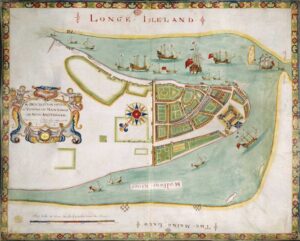
Early Merchant Mayors

“The south prospect of the city of New York in America,” William Burgis, 1717, reissue by Thomas Bakewell, 1746, Library of Congress

On August 5, 1717, Captain Richard Vivian anchored the sloop John and Anne in the port of New York City on the East River.[1] The sailors on board entered a lively port engaged in trade from deep in the interior of North America to the edges of the Atlantic. Looking to their left at the city of about 6,500 people, they saw Fort George at the southern end of Manhattan, paved streets, a shipyard, wharves and slips on the river, brick and stone houses, Trinity Church, storehouses, markets, taverns, inns, the King’s Arms coffeehouse, City Hall with a new clock in its tower, then Maiden Lane and the commons.[2]

The people of colonial New York City were from across the Atlantic and nearby settlements.[3] There were early Dutch settlers and English merchants, French Huguenots from La Rochelle, and Jewish families from London, Suriname, and Curaçao.[4] Sailors and traders from other colonies and Spain, Portugal, and Africa came through the port. The Lenape, Montauk, and Mahican people traded with the settlers, who depended on a military alliance with the Haudenosaunee.[5] Charles Lodwick, a future mayor, wrote in 1692 that “Our chiefest unhappyness here is too great a mixture of nations” and “As to religion, we run so high into all opinions, that here is, (I fear,) but little reall.”[6]

The ship came from Nevis, an island in the Caribbean with an important port for Atlantic trade, and its cargo included sugar, molasses, and coconuts. The merchant Abraham De Peyster, the twenty-first mayor of New York City from 1691 to 1694, was one of the owners of the ship and perhaps the wealthiest man in the city.[7] He donated the land for the construction of the new city hall in 1700 and his “lofty brick and stone buildings” near the docks contained goods imported from the Caribbean and Europe, including wines.[8]

But commerce in New York included human bondage. On board there were enslaved people purchased on Nevis, perhaps destined for the slave market near the edge of the river or to be sold before they left the ship.[9] And, De Peyster, like other wealthy New Yorkers, owned enslaved people who were part of his household near the East River.[10] The boatmen who took the cargo of ships to the docks in smaller vessels were enslaved, and enslaved men built much of the city, from the fort to the roads and houses.[11] There were about one thousand enslaved people in the city at this time and for parts of the seventeenth and eighteenth centuries, New York City had more enslaved people than any other city in North America.[12]

Dutch Rule and Slavery

From its beginning as a European colony, Manhattan was a commercial venture, but it was far from the center of world trade. The Dutch West India Company, a joint stock venture owned by European merchants and the legislature of the Dutch Republic, sent colonists to the island in 1624 and viewed it as one of its many trading posts.[13] The company focused on more lucrative prospects, including the fur trade near today’s Albany and seizing ships and plantations from rival powers in the Caribbean and South America. Officials of the company in the town they named New Amsterdam oversaw a vast trading empire through Curaçao, built immense personal fortunes, and depended on enslaved workers to build the streets and fortifications and to work in the fields.[14]

Slavery came very shortly after the first settlers. In 1627, the company ship Bruynvisch arrived with twenty-two enslaved Africans.[15] But even before the company, Europeans were involved with slavery on Manhattan. There is a recorded instance of Europeans taking captives from the area in 1525 and the first non-Indigenous resident of Manhattan, Jan Rodrigues in 1613, was formerly an enslaved man. By the late 1630s, there were about one hundred enslaved men and women in New Amsterdam, amounting to one-third of the population. 

In 1644, enslaved people were granted conditional freedom if they paid an annual fee to the Dutch West India Company and worked for the company. However, their children were born enslaved and had to serve the company. By the end of Dutch rule in 1664, about seventy-five out of about three hundred and seventy-five Black people in New Amsterdam were free. And, in the middle of the seventeenth century, Black men and women had become part of New Amsterdam society.[16]

However, company officials expanded the slave trade over time and came to encourage merchants to invest in slave ships. The enslaved people on the Bruynvisch were captured from a Portuguese ship by privateers, who had official sanction to seize the ships of rival powers and sell enslaved people.[17] In 1655, the Witte Paert arrived with 391 captives, the first direct voyage of captive Africans directly to New Amsterdam.[18] The final Dutch West India Company investment in the slave trade to New Amsterdam was the Gideon, which sailed from Amsterdam in November 1663 and purchased 421 captives in West Africa.[19]  After selling some captives in Curaçao, Gideon arrived in New Amsterdam on August 15, 1664 with 290 enslaved people.[20]

Merchant Political Power in New York

On August 26, 1664, Richard Nicolls arrived in the harbor on an English warship to seize the Dutch colony while Gideon was still anchored close to town. Three more English warships arrived two days later. As England took control of the colony, the sale of the captives at auction in town proceeded. Auctions took place on August 30 and September 1. On September 8, Peter Stuyvesant surrendered to the English. Four days later the final auction of the enslaved on the Gideon took place.[21]

The September 1664 transfer of power from the Netherlands to England was unique: a peace that kept commerce intact. During that month, six English and six Dutch officials negotiated articles that enumerated rights for the Dutch, as they became denizens of New York who could keep their property, including their ships, and continue to trade. Richard Nicolls became the first Governor of New York, but his appointments of New York City officials included Dutch and English men. Nicolls also ordered that the final sale of captives from the Gideon could take place but none of the proceeds went to the Dutch West India Company. [22]

Three wealthy merchants, all enslavers, show the continuity of Dutch commercial and political power. In 1653, New Amsterdam had its first municipal government: two burgomasters (similar to mayor) and five schepens (alderman and judge) were appointed by Director-General of New Netherland Peter Stuyvesant and his council to annual terms. Oloff Van Cortlandt and Cornelius Steenwyck (as burgomaster) were among the six Dutch officials who negotiated the transfer of power.[23] And, they both served as burgomaster briefly in 1665 before the Dutch form of government was disbanded.[24] Van Cortlandt served in many positions in the new city’s government and two of his sons served as mayor.[25] Steenwyck was later appointed mayor twice and both men had fortunes that grew under English rule.  

The third merchant, Thomas Willett, was an English captain in the Plymouth Colony militia. Beginning around 1640, he traded with New Amsterdam on behalf of Plymouth Colony and purchased a small fleet of ships to facilitate this trade and for private profit.[26] On June 12, 1665, Governor Nicolls appointed Willett the first mayor of New York City and Van Cortlandt one of the five aldermen of the city.[27]

The Duke’s Map of New York, 1664, British Library

Early Mayors

English royal governors appointed men who were often the wealthiest merchants in the city as mayor. Until 1703, mayors were usually appointed for a one-year term that began in October. After that, mayors mainly served four-year terms, with some up to ten years.

Forty-nine men served as mayor, including two acting mayors, until enslaved people were emancipated in New York in 1827. Of those, forty-three—about 88%—are documented enslavers or direct investors in the slave trade. Looking at mayoral terms, from 1665 to 1827 there are a total of 163 years of mayors in office. For 158 of those years, there is a documented enslaver in office for at least part of the year, which is about ninety-seven percent of the time. The other six mayors could have been enslavers or investors in ships that carried the enslaved, but the evidence of personal ownership is lacking. However, as mayor they enforced slave codes and regulated slave sales as part of their official duties.

Willett and most of the early mayors were merchants who built family fortunes from trade, agriculture, land, and the slave trade. Some mayors exported wheat, rye, and corn to the Caribbean and received enslaved people, sugar, cotton, and fruit as payment. The mayors also bought logwood from the Caribbean, tobacco from the southern colonies, and fur from the Hudson and Delaware valleys, which was part of a large network of trade with Indians. They exported sugar, fish, and agricultural products to Europe and imported clothes, luxury goods, and wine in return. Some even engaged in piracy and smuggling.[28]

At this time, slave sales included auctions and could be paid for in pelts, commodities, or animals. In April 1667, William Beekman (an acting mayor) sold enslaved persons for fifty-five beaver skins.[29] In November 1676, Sixteenth Mayor Gabriel Minvielle sold an enslaved man named Prince for three hundred schepels of wheat and an enslaved boy for cash and 855 pounds of sugar.[30]

Mortgage after Prince sold for wheat, November 13, 1676, Ulster County Archives

The arrival of the sloop John and Anne in 1717 is the first recorded landing of a ship owned by a mayor that directly transported the enslaved into New York’s port. However, five mayors engaged in the slave trade from Africa decades before. Fourth and Fifteenth Mayor Cornelius Steenwyck was an investor in three ships that sailed from 1667 to 1669—two of them while he was mayor—and Seventeenth Mayor Nicholas Bayard was an investor in one of those ships, which sailed from Adra on the Bight of Benin in Africa to Curaçao with captives.[31]   

At least three mayors were investors in the illegal slave trade with Madagascar and other parts of the Indian Ocean, which flourished in the 1690’s and avoided the Royal African Company’s monopoly over slavery in West Africa. This slave trade was supported by New York colonial governors who received money from pirates who took enslaved people and cargo from areas often under the control of the East India Company and brought them to the Caribbean or North American colonies.[32] Thirty-Second Mayor Caleb Heathcote co-owned the Nassau, which left New York on July 7, 1698.[33] In May of the following year, it anchored in Cape May and Sandy Hook to offload enslaved people, cargo, and passengers to avoid seizure by customs officials, while finally beaching at Red Hook.[34] Officials intercepted a letter from the captain to the other owner of the ship. The captain wrote that the cargo of the Nassau included twenty-three enslaved people, about seventy pirates returning from Madagascar, and fare from the passengers.[35]

The colonial mayors had executive powers, including issuing payments and presided over the Common Council, which enacted and enforced laws. Mayors had the power to commit those suspected of crimes to jail and the exclusive right to issue licenses to taverns and inns and kept the license fees.[36] Mayors were also responsible for keeping lists of visitors, which were provided by constables and ship captains.[37] The council often approved laws unanimously but when it voted mayors presided but did not vote. The early mayors also served as the presiding judge of the Mayor’s Court, which heard minor civil and criminal cases. Aldermen and the city recorder, who presided over the mayor’s court, sat on the council, and many of the mayors also served as aldermen.[38] There were elected officials at the ward level, including constables, assessors, and aldermen.[39]

Depiction of first City Hall: “The Stadthuys of New York in 1679 corner of Peal St. and Coentijs Slip,” 19th centurty, NYPL

Almost two-thirds of early council members were merchants and most of their efforts were to oversee trade.[40] In 1707, over half of the Common Council ordinances dealt with commerce, including constructing the waterfront and market houses; ferries to Long Island; standards for weights and currency, adjusting market prices for goods, and licensing and restricting the number of tradespeople.[41] The mayors and council granted legal status to enact trade or work as an artisan, freemen, and later, freeholders (landowners), and collected revenue through fees or leases of city property.[42]

They also passed slave codes. Under English colonial rule, there were fewer opportunities for free Blacks and additional slave codes. The first laws of the colony, the Duke’s Laws, officially recognized slavery.[43] In April 1691, Seventh (and later Twentieth) Mayor John Lawrence presided as the council ordered “every Male Negro in the Citty with Wheele barrows and Spades performe one dayes Worke” per week on water lots, parcels of land on the waterfront that the city sold on the condition that the shore would be extended and wharves would be built.[44] In 1702 the Province of New York implemented its first comprehensive slave codes and in 1706 enacted a law that defined slavery as a racial category: the children of enslaved Black, Indian, or mixed ancestry mothers were born enslaved.[45] By the time New York enacted another slave code in in 1712 that prohibited newly free people from property ownership, most free Blacks left New York City.[46]

In March 1712, Mayor Caleb Heathcote presided as the council enacted “A Law Appointing a Place for the More Convenient Hiring of Slaves.” It stated that “all Negro Mulatto and Indian slaves that are lett out to Hire within this City do take up their Standing, in Order to be Hired, at the Markett House at the Wall Street Slip untill such time as they are hired…”[47] Enslavers in New York City often allowed others to hire their enslaved people for a day or weeks at a time to produce additional income.[48]

The Mayor’s Court enforced punishment against the enslaved. In February 1680, Mayor Gabriel Minvielle brought a case against his enslaved woman “called Danielle for drawing his knife” against a “Burger of this Citty and rideing in a Cart contrary to the orders of this Citty, and several other Misdemeanors…” The punishment was “forty Lashes at the Whipping post” and Danielle to pay court costs.[49]

At the beginning of the 1700’s, over forty percent of European households in the city had enslaved people, who were more than a quarter of the labor force.[50] Enslaved people usually stayed in the backrooms, cellars, or garrets of houses in the city so there was little space in cramped quarters.[51] Most enslaved people lived with one other person or by themselves, which was the case for many enslaved women.[52] Ebenezer Wilson had one enslaved woman and one enslaved man in his house.[53] 

However, the mayors, like other successful merchants, had many enslaved persons. A traveler in 1697 noted that Abraham De Peyster had a “noble building of the newest English fashion and richly furnished with hangings and pictures.” This house had nine enslaved people: two women, two girls, and five men.[54] Philip French, whose fortune came from piracy, trade, and land, had seven enslaved people: two women, three men, and one boy and one girl, in his house near the docks.[55]

Only about a quarter to a fifth of the enslaved people brought into the port remained in New York City and the rest were sold to farmers.[56] While many farmers had a few enslaved persons, there were some plantations. Caleb Heathcote had ten enslaved people on his estate in Scarsdale that had slave quarters.[57] Gerrardus Stuyvesant had nineteen enslaved people, many of whom worked on the large Stuyvesant farm, on today’s East Village.[58]

The Van Cortlandt brothers Stephanus and Jacobus created fortunes as merchants, sold enslaved people, both served twice as mayor (Stephanus was the eleventh and eighteenth mayor while Jacoubs was the thirty-first and thirty-fourth), and owned vast estates. In 1690, Stephanus invested in a ship that purchased enslaved people from Madagascar.[59] Jacobus had enslaved people who did domestic chores, grew wheat, maintained roads, built barns, and operated two mills.[60] Jacobus sold enslaved persons to nearby farmers on consignment, and his estate is today’s Van Cortlandt Park in the Bronx.[61] In a June 4, 1690 letter, he complained about “the great quantity of slaves that are come from Madagascar” because they made the “slaves to sell very slow.”[62]

Enslaved persons were not allowed to give evidence against colonists or free persons. However, there are petitions from two enslaved persons against mayors. While the petitions are in the legal language of the time, there is still room for the enslaved to tell their story. Sarah Robins was enslaved by Thirty-Fifth Mayor Robert Walters and in September 1711, she petitioned Governor Robert Hunter for her freedom. Her petition described her “a free Indian woman” who lived in Southampton but “…Robert Walters upon the first day of January last caused your Petition[er] against her will to be Transported unto the Island of Madeira in Order to be there sold for a slave.” Upon arriving in Madeira, then a Portuguese colony, Sarah petitioned a British official and was returned to New York. It is unclear what happened to Sarah or her case.[63]   

“Petition of Sarah Robins, a Free-born Indian Woman,” 1711, NY State Archives

In another petition to the governor, Sam, a free Black man, asked for the freedom of Robin, who was enslaved. Sam was enslaved by George Norton, who freed him in his 1715 will. Norton also granted Sam thirty pounds and Robin, another enslaved man. However, Norton named Thirtieth Mayor Ebenezer Wilson as the sole executor of his will and trustee. Wilson kept Robin and the money. In September 1717, Sam stated that Wilson “detains money and a negro willed to him by said Norton yet requires the petitioner to clothe said slave and support him in sickness.”[64] It is uncertain what happened to Sam.

1712 Uprising

On April 7, 1712, recently arrived African enslaved people, likely from Akan-Asante society, led an uprising. Slavery in New York City was unlike their society, which had a defined relationships in slavery and laws for the just treatment of the enslaved.[65] Other enslaved people considered themselves free Spanish citizens and who deserved the privileges and freedom they had under the Dutch.

Twenty-three enslaved people and an unknown number of Indigenous peoples armed with guns, hatchets, and swords set fire to a building in New York City. At least nine colonists were killed and six wounded when they tried to extinguish the blaze. Militia units captured twenty-seven people.[66] Heathcote was both mayor and presiding judge of the trial of the enslaved accused of violent revolt. Twenty-one were executed, including being burned alive, hanged, or broken at the wheel, and six committed suicide. On April 11, Heathcote ordered that Claus “…be broke alive upon a wheel and so to continue languishing until he be dead, and his head and quarters to be at the Queens disposal.” Robin be “hung up in chains Alive, and so continue without any sustenance until he be dead.” Quaco “be burnt with fire until he be dead and consumed…” and Sam “be hanged by the neck until he be dead.”

Afterwards, the council passed more restrictive slave codes. In February 1713, a law prohibited “slaves above the Age of fourteen years from going in the Streets of this City after Night” without a lantern or lighted candle, and “Any of her Majesties Subjects” within the city could apprehend enslaved persons they found after dark. The penalty for those convicted was to “be whipped at the public whipping Post fourty lashes save one.”[67] New York’s colonial legislature, the General Assembly, enacted more stringent slave codes. This included allowing enslavers to punish enslaved people “at discretion,” the appointment of “a common Whipper for their Slaves” in every town, and abolishing property ownership for freed people.[68]

Next: Mayoral Slave Trade

_______________________________________________________________________________________________________________________

[1]Large vessels anchored about 200 feet from the docks. The Island at the Center of the World, p.103; Intra-American Slave Trade Database, Voyage 107291; Mary Donnan, Documents Illustrative of the Slave Trade, Vol. III, p.464; UK National Archives, Colonial Office, 5/1222, 119

[2]The population in 1712 was estimated at 5,840, “Population in the Colonial and Continental Periods, U.S. Census, link; Slavery in New York, Ira Berlin and Leslie M. Harris, 2005, p.62 table; The population in 1723 was 7,248, including enslaved. See note on population growth from Jill Lepore, Appendix A, https://doi.org/10.7910/DVN/V1WI8Y; New York City, 1664-1710: Conquest and Change has a description of buildings, neighborhoods, and demographics of the city and the collapse of the fortifications at the north end of the city by 1699. Gotham: A History of New York City to 1898, Burrows and Wallace, 1998, Kindle p.106-111, 118. Burgis View of New York City, 1717, Columbia University, link, and Library of Congress, link; “Old Slip and Cruger’s Wharf at New York: An Archaeological Perspective of the Colonial American Waterfront,” Paul R. Huey, Historical Archaeology, Vol. 18, No. 1 (1984), pp.15-37, JSTOR; An English merchant, Daniel Denton, wrote in 1670 that New Amsterdam was “built most of Brick and Stone, and covered with red and black Tile.” The Dutch fortifications on the north side of the city had fallen into disrepair by the late 1690’s. NYC Archives,” The Dutch & the English Part 5: The Return of the Dutch and What Became of the Wall,” link; “The Preservation and Repair of Historic Clay Tile Roofs,” Anne E. Grimmer and Paul K. Williams, Spring 1993, link; Mapping Early New York online by the New Amsterdam History Center;  A Glance at New York in 1697: The Travel Diary of Dr. Benjamin Bullivant, p.63

[3] New York City, 1664-1710: Conquest and Change, Ch.2

[4] Colonial New York: A History, Michael Kammen, 1996, Chapter 7; discussed in Black and White Manhattan, Chapter 2

[5] The Island at the Center of the World, p.49 and 58; The Lenapes, Grumet, Robert, 1989, p. 38-43; Gotham: A History, p.86; Buried Beneath the City: An Archaeological History of New York, Kindle edition, Ch.1, p.83-97

[6] :New York in 1692. Letter from Charles Lodwick to Mr. Francis Lodwick and Mr. Hooker,” dated May 20, 1692 ,pp.244, HathiTrust, link

[7]Free residents were British subjects, aliens or denizens.  “Naturalization in England and the American Colonies,” A. H. Carpenter, The American Historical Review, Vol. 9, No. 2 (Jan., 1904), pp. 288-303 (16 pages), https://doi.org/10.2307/1833367; De Peyster’s wealth is in New York City tax assessments from 1695 to 1699 and is ranked as the second in shipping, just below Rip Van Dam, in New York City, 1664-1710: Conquest and Change, Chapter 3: The Merchants.

[8] Donated land: Cities in the Wilderness: The First Century of Urban Life in America, 1625-1742, Carl Bridenbaugh, 1964, p.148; De Peyster’s activities as a merchant: Merchants & Empire: Trading in Colonial New York, Cathy Matson, 1998, p.60 & p.137 and New York City, 1664-1710: Conquest and Change, Chapter 3: The Merchants; Lofty buildings:  A Glance at New York in 1697: The Travel Diary of Dr. Benjamin Bullivant, p.63

[9].When I Die, I Shall Return to My Own Land: The New York City Slave Revolt of 1712, Kindle edition, Ben Hughes, p.115 and p.240; Slavevoyages.org ##107291; Donnan p.464; original records at CO 5/1222_03, 119, does not state number of enslaved

[10] 1703 New York City census, East Ward, U.S. Census Bureau, link, pp.171

[11] Stevedores were enslaved: When I Die, I Shall Return to My Own Land, Kindle p.69; Enslaved owned by the Dutch West India Company built much of the infrastructure of New Amsterdam, including aiding construction of the fort, clearing land, and building roads. In the Shadow of Slavery: African Americans in New York City, 1626-1863, Leslie M. Harris, Kindle edition, p.14; Slavery in New York, online edition p.62 table; Bound by Bondage: Slavery and the Creation of a Northern Gentry, Nicole Saffold Maskiell, 2022, Kindle edition, p.3, enslaved of the Dutch West India Company worked on construction and maintenance

[12] Slavery in New York, p.4

[13] The Island at the Center of World, ch.3

[14] Bound by Bondage, Kindle, p.23-24 and 46-49

[15] “The First Arrival of Enslaved Africans in New Amsterdam,” New York History, Jap Jacobs, Summer 2023, pp. 96-11

[16] Slavery in New York, online edition, p.4, 47, 60, 64, 126, and 127; New York Historical Society, Slavery in New York, Fact Sheet

[17]“The First Arrival of Enslaved Africans in New Amsterdam.”  “‘To experiment with a parcel of negros:’ Incentive, Collaboration, and Competition in New Amsterdam’s Slave Trade, Journal of Early American History, Dennis J. Maika, September 2020

[18] Slave Voyages Database, voyage #11295; New Netherland Institute voyage 170, link; “The Tale of the White Horse: The First Slave Trading Voyage to New Netherland,” Dennis J. Maika, link

[19] Slavevoyages.org, voyage ID #11414; “The Tale of the White Horse”

[20] “The Tale of the White Horse”

[21] Taking Manhattan, p.17, 64; “To experiment with a parcel of negros,” p.66

[22] Taking Manhattan, p.262-265; Sale of the captives from the Gideon on p.292 and in “‘To experiment with a parcel of negroes,'” p.66 and Books of General Entries of the Colony of New York, Vol. I, p.57

[23] Ibid, p.260

[24] Ibid., p.61,260; The Records of New Amsterdam from 1653 to 1674, edited by Berthold Fernow, Vol. V, p.183-185, 248-249

[25] The Records of New Amsterdam, Minutes of the court of burgomasters and schepens, Jan. 8, 1664, to May 1, 1666, p.250; New Amsterdam History Center, Mapping Early New York Encyclopedia, link

[26] New Netherlands Institute voyages database, search by owner or charterer and Voyage 108

[27] The Records of New Amsterdam, Minutes of the court of burgomasters and schepens, Jan. 8, 1664, to May 1, 1666, p.250; Minutes of the Common Council of the City of New York, 1675-1776 v.8 (1774-1776), p.149, HathiTrust, link; hereafter MCC

[28] Merchants and Empire, p.27; 60, 64, 95, 147, 189, 222; 94, 398 n.80; 53, 63, 81, 95, 147, 179, 222; 179; 28; 60, 137; 340 n. 40; 144; 221, 224; 420-21 n.16; 94; 79; 76, 222; 90; 63, 99; 222; 61, 77, 96, 151; 143; 60-61; 98, 261, 425 n.42; 63, 146, 209, 373 n.28; and151, 153, 188, 209

[29] Ulster County Archives, Dutch court records of Wiltwyck 1661-1709, April 4 1667 case and October 4 1667  case

[30] Slave named Prince: Ulster County Archives, Dutch court records of Wiltwyck 1661-1709, mortgage lists the sale price as 300 schepels of wheat; New Netherland Institute defines a schepel as 0.764 bushel wheat; 1.29 bushels salt; other slave sale: Minutes of the Court of Burgomasters and Schepens of New Amsterdam, July 12, 1663 – May 1664, “New York City, New York, United States records,” FamilySearch, viewer image 17 of 196

[31] Leonora and Leeuwinne; Trans-Atlantic Slave Voyages Database #11781

[32] Pirates, Merchants, Settlers, and Slaves: Colonial America and the Indo-Atlantic World, p.39-40

[33] List of Freight Four Ships Bound from New York to Madagascar, CO 5/1042, 98, pp.243

[34] Pirates, Merchants, Settlers, and Slaves, p.52

[35] “Letter from Giles Shelley on Illegal Trading,” Documents relating to the colonial history of the state of New Jersey, 1631-1776, Vol. II, pp.289-90, link; “The Madagascar Connection: Parliament and Piracy, 1690-1701”, P. Bradley Nutting, The American Journal of Legal History, Vol. 22, No. 3 (Jul., 1978), pp. 211-213, https://doi.org/10.2307/845181

[36] 1686 Dongan charter, pp.5, Hathi Trust, link; MCC, 1675-1776, Vol. I, p.301 

[37] MCC, 1675-1776, Vol. I, p.135, 220

[38] James Duane: A Revolutionary Conservative, p.49; Minutes of the Common Council provides proceedings and the names of aldermen and mayors

[39] “New York’s Earliest Mayors,” Kenneth R. Cobb, NYC Archives, link: Historical Society of the New York Courts, Colonial New York Under British Rule, link

[40] The Municipal Revolution in America: Origins of Modern Urban Government, 1650-1825, Jon C. Teaford, 1975, p.25

[41] The Municipal Revolution in America, p.18-19

[42] The Municipal Revolution in America, p.19-20; Public Property and Private Power: The Corporation of the City of New York in American Law, 17130-1870, Hendrik Hartog, 1983, p.37-40; lists of Freemen is in Collections of the New York Historical Society for the year…, Vol. 18 (1885), Hathi Trust, link

[43] Transcript of the Duke of New York’s Laws, 1665-1675, Historical Society of the NY Courts, link

[44] MCC, 1675-1776, Vol. I, p.225-226; mentioned in Bound by Bondage, p.90

[45] “The colonial laws of New York from the year 1664 to the revolution…,” v.1 1664-1720, pp.597-98, link

[46] Root and Branch: African Americans in New York and East Jersey, 1613-1863, Graham Russell Hodges, Ch.1

[47] MCC, 1675-1776, Vol. IV p.76-79

[48] In the Shadow of Slavery, p.30

[49] Select cases of the Mayor’s court of New York City, 1674-1784, pp.742; FamilySearch

[50] In the Shadow of Slavery, Kindle edition, Chapter 1. Slavery in New York, p.62.  New York Historical Society, Slavery in New York, Fact Sheet

[51] “Born to Run: The Slave Family in Early New York, 1626 to 1827,” Vivienne L. Kruger, Ph.D. dissertation, p.23; In the Shadow of Slavery, Ch.1

[52] In the Shadow of Slavery, Ch.1

[53] c.1703 census, NYC East Ward, U.S. Census Bureau, list; Inhabitants of Colonial New York, p.22

[54] “A Glance at New York in 1697: The Travel Diary of Dr. Benjamin Bullivant,” p.63; c.1703 census, NYC East Ward, U.S. Census Bureau, list; Inhabitants of Colonial New York,

[55] c.1703 census, NYC East Ward, U.S. Census Bureau, list; Inhabitants of Colonial New York, p.32

[56] Slavery in New York, p.61-62

[57] Recognizing Enslaved Africans of Larchmont Mamaroneck, List of Enslavers and Enslaved; Caleb Heathcote, Gentleman Colonist…, Dixon Ryan Fox, 1926, p.111-115 and quote from p.133

[58] New York State Archives, Gerardus Stuyvesant, probated will, 1786; Bowery Number One farm: The New Netherland Institute and The New Amsterdam History Center

[59] Robert Livingston and the Politics of Colonial New York, p.90, n.35; In letter: Rek van ship de Margriet van Madakasker naer Barbados & nae Virginia, The Gilder Lehrman Collection,  GLC03107.00179

[60] Stephanus: Northeast Slavery Records Index; New York Probate Records, 1665-1699 vol 1-2, April 14, 1700, FamilySearch.com; Jacobus: In the c.1703 census, Jacobus had five enslaved people in his household in New York City. U.S. Census, Before 1790, NYC Dock Ward.  While Jacobus may not have lived on his plantation, he did have enslaved people (both Africans and Native Americans) working there. Van Cortlandt House and Museum, link. The Van Cortlandt House and Museum website and probate records reveal the enslaved of Jacobus, New York, U.S., Wills and Probate Records, 1659-1999, Probate Date 13 Sep 1740, Ancestry.com

[61] Liberty’s Chain: Slavery, Abolition, and the Jay Family of New York, p.20 footnote 25. New York City, 1664-1710: Conquest and Change. “New York Slave Trade, 1698-1741: The Geographical Origins of a Displaced People,” Jeanne Chase, 2003, link

[62] Archival Collection Papers, 1698-1702. Van Cortlandt, Jacobus, 1658-1740? 1698 – 1702, The New York Historical Society, link to reference,

[63] New York State Archives has the original petition.  It is unclear which ship she sailed on and how Governor Hunter disposed of her case. Southold town records have a notice of a sale from James Parshall to John Parker of Sarah on March 27, 1698. However, this appears to be recorded on May 10, 1712. Southold town records / copied and explanatory notes added by J. Wickham Case v.2, 1884, p.179. A 1918 history of Southampton notes the case as an example of Indian slavery at the time and includes the text of Sarah’s petition: History of the Town of Southampton, 1918, p.120. In a 1698 census, John Parker is on the list for Southampton. The list includes male Indians over 15 but “the Squas and children few of whom have any nam[e].” She does not appear in census records for New York City either. The Documentary History of the State of New-York, ed. by E.B. O’Callaghan, Vol. I, p.665 and 669; NYG&B, Pre-1750 New York lists; Calendar of historical manuscripts in the office of the secretary of state, Albany, N.Y. by New York Secretary of State, Vol. II, E.B. O’Callaghan, p.394. “Indigenous Freedom Suits, Epistemological Mobilities, and the Deep Archive,” Nancy E. van Deusen, Slavery & Abolition, pp.519-537, https://doi.org/10.1080/0144039X.2023.2236435

[64] Calendar of historical manuscripts in the office of the secretary of state, Albany, N.Y., New York Secretary of State, E.B. O’Callaghan, Vol. II, p.433; New York, U.S., Wills and Probate Records, 1659-1999, George Norton, Will Date 1 May 1715, Wills, Vol 008, 1710-1716, Ancestry.com

[65] In the Shadow of Slavery, p.38-40; Black and White Manhattan, Ch.4

[66] In the Shadow of Slavery, p.37; When I Die, I Shall Return to My Own Land: The New York City Slave Revolt of 1712, Ben Hughes, 2021, Kindle edition, throughout

[67] MCC, 1675-1776, Vol.III, p.28-31, link

[68] The colonial laws of New York from the year 1664 to the revolution…,  v.1 1664-1720, pp.761-767; the whipper was also in a 1702 slave code, pp.520; When I Die, I Shall Return to My Own Land, throughout; Caleb Heathcote, Gentleman Colonist…, Dixon Ryan Fox, 1926, p.111-115: In the Shadow of Slavery, p.33; Black and White Manhattan, Ch. 3; “Slave Codes,” Replication data for: New York Burning: Liberty, Slavery, and Conspiracy in Eighteenth-Century Manhattan, link


Copyright 2025 Paul Hortenstine
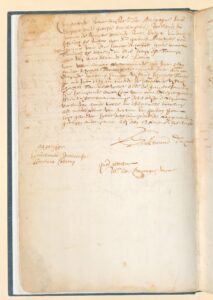
 

Introduction

New York City Mayors and Slavery

By Paul Hortenstine ©2025

More enslaved people lived in New York City than any other town in North America for parts of the seventeenth and eighteenth centuries, and slavery was interwoven with political power in the commerce-driven city from its beginnings. From the city’s first mayor in 1665 until New York State emancipation in 1827, forty-nine men served as mayor or acting mayor. Of those, forty-three—about 88%—are documented enslavers or investors in ships that carried enslaved people. After emancipation there were two mayors involved in slavery, which brings the total number of mayors with clear connections to slavery up to forty-five.

The following is a five-part essay on the connections between New York City mayors and slavery from the first mayor until 1827. The menu on the left and titles below contain links to the five-part essay: 

  • Early Merchant Mayors: The first mayors who built wealth through trade and the formation of city government and slave codes.
  • Mayoral Slave Trade: The growth of the slave trade in New York City during the 1700’s and the participation of mayors.
  • Turmoil and Trials in 1741: The events of the 1741 insurrection of the enslaved and details about their lives.
  • Gradual Emancipation: The growth of slavery in New York City after the Revolutionary War, the passage of state emancipation laws, and the decline of slavery after 1800.
  • New York Abolition: DeWitt Clinton’s ambivalence about slavery and the celebration of emancipation in New York State on July 4th and 5th, 1827.

There are also summaries and tables of mayors and their involvement in slavery:

  • Timeline: An overview of colonists and slavery in New York City from the city’s time as New Amsterdam to the Civil War.
  • Enslaved People: The names of those enslaved by mayors that are found in historical documents.
  • Mayoral Caribbean Slave Trade: A look at the ships of mayors going on round trip voyages to the Caribbean, which included importing the enslaved.
  • Mayoral Slaveship Investments: An exploration of mayor’s investments in the slave trade and a list of their ships.
  • Terms of Enslaver Mayors: A list of the mayors with direct participation in slavery, including the slave trade.
  • NYC Mayors List: A chronological list of the terms of all mayors until New York State emancipation.

After that, the final section lists direct participation in slavery by individual mayors through historical documents, including the terms of a 1664 auction, letters from 1698 about the arrival of slave ships, the 1703 census of New York City, a will from 1786, and an 1810 register of manumissions. It begins with the first mayor, Thomas Willett.

Mayors presided over the Common Council that enacted slave codes from the earliest days of the colony. This included implementing obligatory labor to improve the waterfront for one day a week in 1691 and giving colonists the power to apprehend enslaved people after dark in 1713. Activities on Sundays were severely limited, including a 1731 law that prohibited more than three enslaved people from gathering under the penalty of whipping. Even in 1818, mayors had to contend with enslavers using prison to punish the enslaved. Mayor Cadwallader Colden, president of the anti-slavery Manumission Society but formerly an enslaver, told the council to inquire under “what authority the City Prison is rendered subservient to the authority of slave holders.”

New York City Colonial Population [1]

  White Black: vast majority enslaved Total % Black
1698 4,237 700 4,937 14%
1703 3,745 630 4,375 14%
1723 5,886 1,362 7,248 19%
1731 7,045 1,577 8,622 18%
1737 6,947 1,719 8,666 20%
1746 9,273 2,444 11,717 21%
1756 10,768 2,278 13,046 17%

The names of eighty-five people who were enslaved by mayors are documented in sales, wills, court cases, petitions, runaway notices, and manumission records. Early mayors sold enslaved people for agricultural goods, such as in 1676 when Mayor Gabriel Minvielle sold Prince for three hundred schepels (229 bushels) of wheat. Many mayors enslaved one or two people, but acting Mayor Gerardus Stuyvesant (1744) listed nineteen enslaved people in his 1786 will. While the voices of the enslaved are difficult to hear, documents show that two people petitioned for freedom from mayors. Sarah Robins requested her freedom as “a free Indian woman” in 1711 and Sam, a free Black man, asked for the freedom of Robin in 1715 after the death of their enslaver.

Twelve mayors are documented investors in thirty-four ships that transported the enslaved, including every mayor who held office from 1726 to 1766. Most of the ships they invested in sailed from New York City to the Caribbean with provisions and returned with enslaved people and agricultural goods, but seven ships took captives from Africa. Mayor Cornelius Steenwyck co-owned the Leonora, which from 1666 to 1667 sailed from the Netherlands to Ardra on the west coast of Africa. Three hundred thirty-eight captives were purchased; the two hundred ninety-one who survived were sold in Curaçao and Martinique. In July 1723, Mayor David Provoost sued the captain of the Expedition, which he was an investor in, for fifty pounds for damages to goods and the death of Jenny, an enslaved girl, who arrived on the ship from Barbados.

New York City Population After American Independence [2]

  Black Total Population % Black Free Black Enslaved % Enslaved
1790 3,092 31,225 9.9% 1,036 2,056 66.5
1800 5,867 57,663 10.2% 3,333 2,534 43.2
1810 8,916 91,659 9.7% 7,470 1,446 16.2

This work ends at New York’s emancipation in 1827. However, after emancipation, Blacks, Indigenous persons, women, and many others in New York City still lived without equal rights and under the threat of violence.

Until the Civil War, slave ships were legally allowed to use the harbor to restock their supplies. Blacks lived in fear of being kidnapped into slavery and enslaved runaways were caught and returned. In July 1834, thousands of nativist rioters demolished the homes, businesses, and churches of abolitionists and Blacks, who were stoned and beaten. And, in July 1863, in the largest urban civil unrest in American history, rioters unleashed four days of violence and engaged in a battle for New York City in opposition to being drafted into the Union Army.  The rioters, mainly working-class men, destroyed the homes of the rich, targeted abolitionists, and sought out Blacks for beatings and murder, including lynching. The state militia and army defeated the rioters over the course of two days, fighting across barricades on city streets and in buildings.

This is not the end of this project. There are additional details to be found about mayors and the lives of the enslaved. For the six mayors until emancipation who are not listed as enslavers, it is possible they were enslavers or investors in the slave trade, but the documentation is lacking or unclear. However, as mayor each of them enforced slave codes as part of their official duties.

New York City during this time period refers to Manhattan or New York County. Other towns in today’s New York City had their own governments and the five boroughs of New York were consolidated in 1898.  

If you have questions, additions, omissions, or thoughts, please contact [email protected].

_________________________________________________________________________________________________________________________

Includes information from New York City, 1664-1710: Conquest and Change, In the Shadow of Slavery, 12-21; Prof. Benton essay on dating the beginning and end of slavery in New York; “Tale of the White Horse” and “To ‘experiment with a parcel of negros:’ Incentive, Collaboration, and Competition in New Amsterdam’s Slave Trade, Journal of Early American History by Dennis J. Maika; the Walt Whitman Archive, Minutes of the Common Council, The colonial laws of New York from the year 1664 to the revolution, Vol. I, Laws of New-York, from the year 1691, to 1751, inclusive: published according to an act of the General Assembly, and Laws of the state of New York: passed at the sessions of the Legislature held in the years 1777-[1801], Vol. II.

[1] The percentage of Blacks enslaved during this time period is unclear. There were some free people, but they were a small part of the Black population. Many who were free during the Dutch period fled the city, especially after more restrictive 1712 slave codes. Figures come from New York Burning, Appendix A, “Slavery in New York,” Ira Berlin and Leslie M. Harris, 2005, online edition p.62 table; citing American Population Before the Federal Census of 1790, p.94-104, link

[2] Data from census and other sources in Somewhat More Independent, Shane White, p.26

Copyright 2025 Paul Hortenstine